Why Nichrome IR Emitters Actually Matter for Your Bake
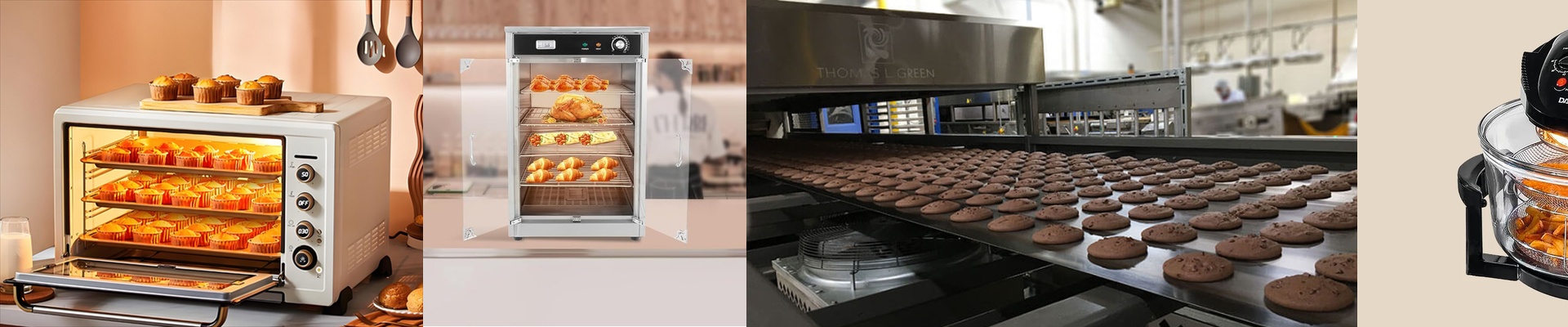
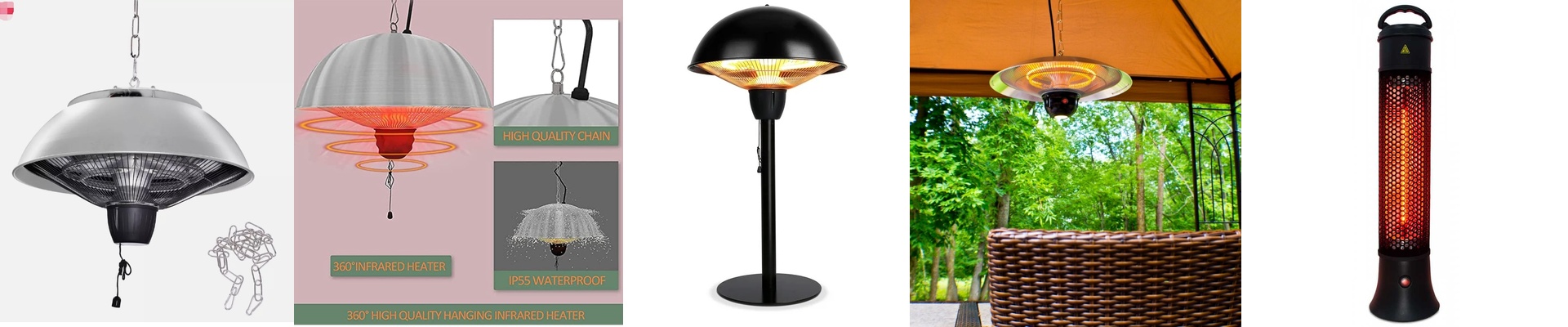
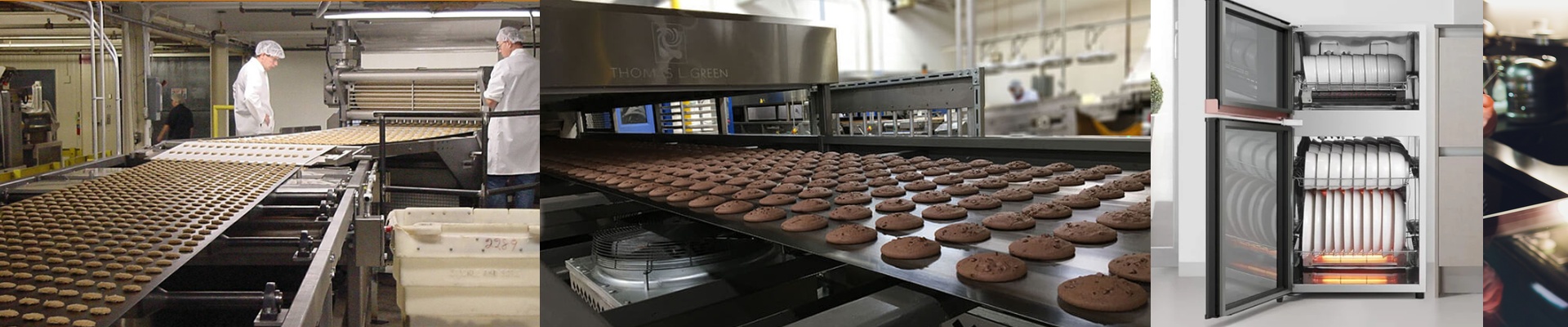
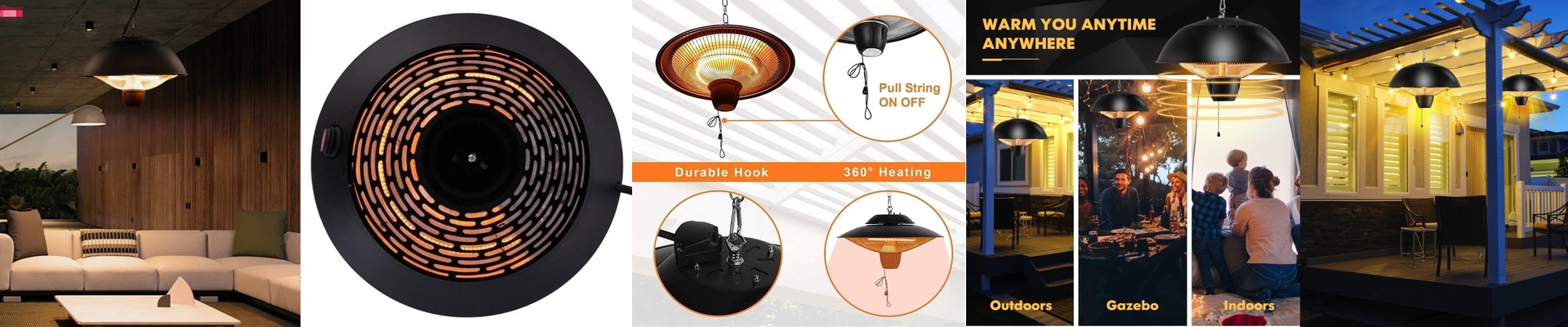
Ever pulled a loaf out of the oven only to find the crust is charred but the center is basically raw dough? It’s frustrating. Most of the time, that happens because of “thermal lag.” Basically, your heating elements are too slow to react, and by the time the oven catches up, you’ve already overcooked the outside. That’s why we use Nichrome infrared (IR) emitters. Instead of wasting time heating up the air and hoping that heat eventually reaches your bread, these emitters send shortwave radiation straight to the surface of the food. It’s direct. It’s fast. The secret is in the materials. We use Nichrome (Nickel-Chromium) because it doesn’t fall apart or oxidize when things get scorching hot. We coil the wire tight and wrap it in quartz, which lets the element hit its peak temperature in a few seconds. If you’re new to baking, this is a lifesaver. You don’t have to play the guessing game with “preheat” times or wonder if the oven is actually ready. It just is. No more temperature swings. There’s nothing worse than a cheap oven that swings 20 degrees up and down while you’re trying to bake. It ruins the consistency. Because Nichrome is so predictable, your PID controller can dial in the power without overshooting the mark. If the sensor notices a tiny 2-degree dip, the IR emitter kicks in instantly to fix it. You get a steady, reliable heat that doesn’t “burn out” your crust. A few things to keep in mind. Now, IR emitters pack a massive punch. This is amazing for getting that perfect sear or a deep, golden brown. But, because the heat is so concentrated, you can end up with hot spots if you aren’t careful. You have to be smart about the spacing. If you just cram as many emitters as possible into a small space, you’ll end up overheating the actual oven chassis. It’s all about mapping out that radiation pattern so every inch of your tray gets the same amount of love. We designed these to be simple drop-in replacements. Whether you’re fixing up an old commercial deck oven or tinkering with a custom prototype, the goal is the same: making sure the temperature you set is exactly what your food feels.