Getting Your IR Emitters Right in an Automated Kitchen
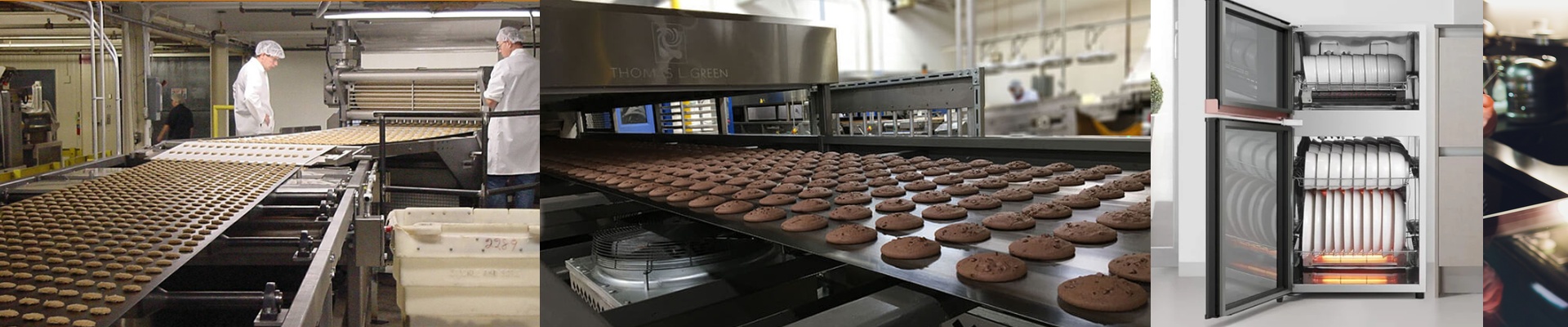
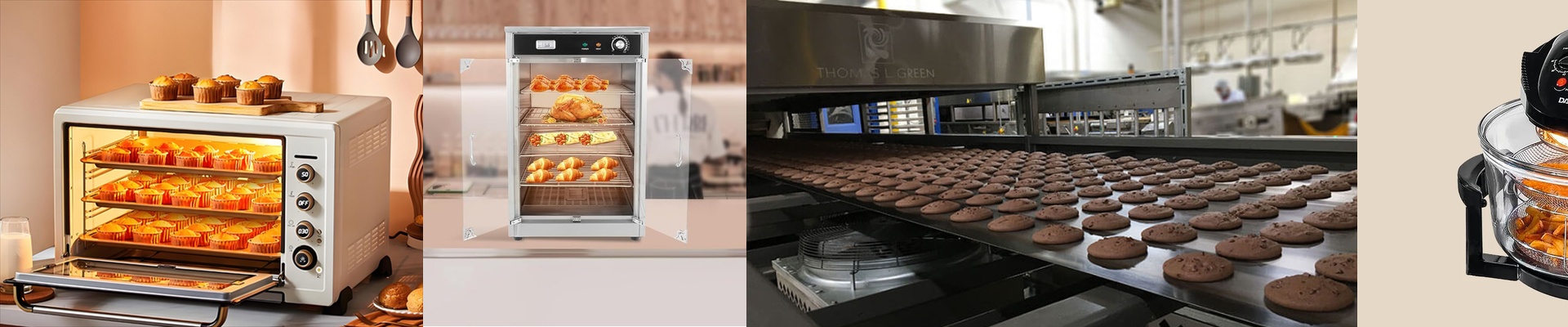
Most people think those extra infrared lamps in commercial ovens are just there to keep a plate warm. But in a fully automated setup? They’re doing the heavy lifting. They bridge that annoying gap between the general heat of the oven and that perfect, crispy sear on the surface. The trick is making sure they don’t just blast heat blindly. You need a system that actually listens.
Making the Heat “Smart”
To get the surface temperature exactly where it needs to be, we hook the IR emitter up to a PID controller using an SSR or a thyristor. Here’s the cool part: shortwave IR hits the food almost instantly. There’s hardly any lag. You just need a reliable sensor—like a K-type thermocouple or a pyrometer—watching the “skin” of the food. The controller then pulses the power. It’s a constant conversation. It happens so fast that you can get a golden-brown crust without accidentally turning the outside into charcoal while the middle is still frozen.
Picking the Right Gear
We usually go with quartz-halogen tubes. Why? Because they can take the hit. They handle the shock of turning on and off rapidly without cracking. But be careful with your wattage. Sure, more power means you hit your target temperature faster. But it also puts a lot more stress on your wiring. If you’re pushing a high-wattage array, make sure your contactors can handle that initial surge of power. Otherwise, you’re just waiting for something to burn out.
The Trade-offs
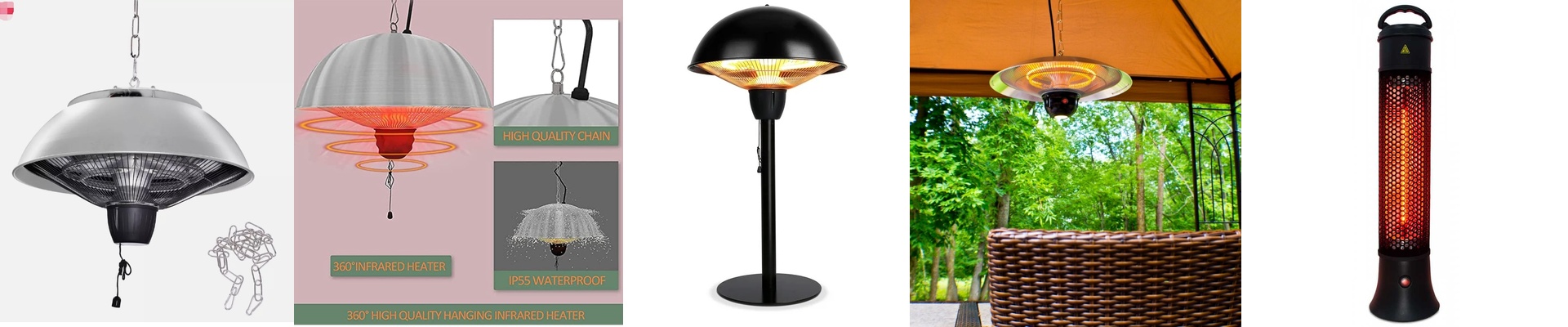
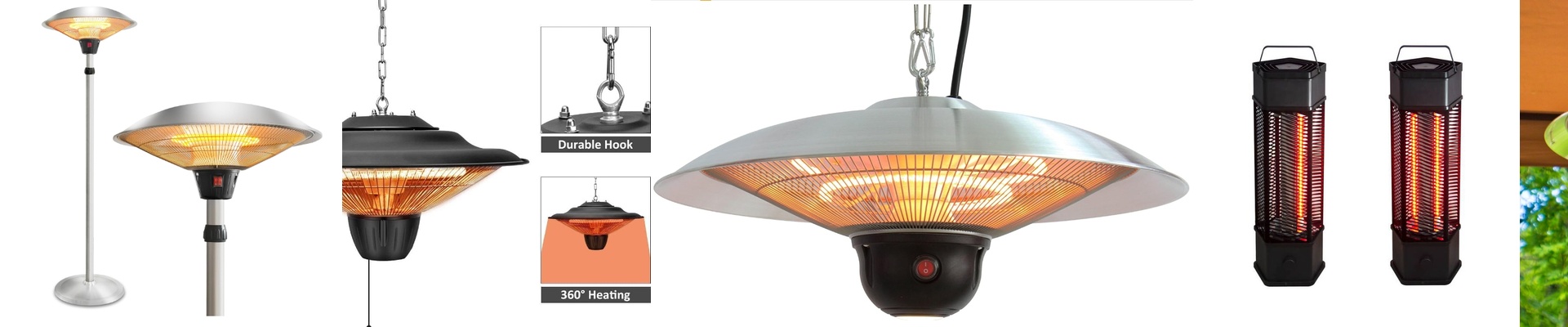
You can get these lamps in almost any length or voltage to fit into a cramped oven. But there’s a catch. These high-intensity lamps throw off a ton of waste heat right around the sockets. If your ventilation isn’t strong enough to pull that heat away, your sensors will start to drift. Once that happens, your PID loop goes haywire. The simplest fix? Keep your control boards out of the lamp’s line of sight. Give them some breathing room.