Getting That Perfect Crust: Why We Use 220V IR Emitters
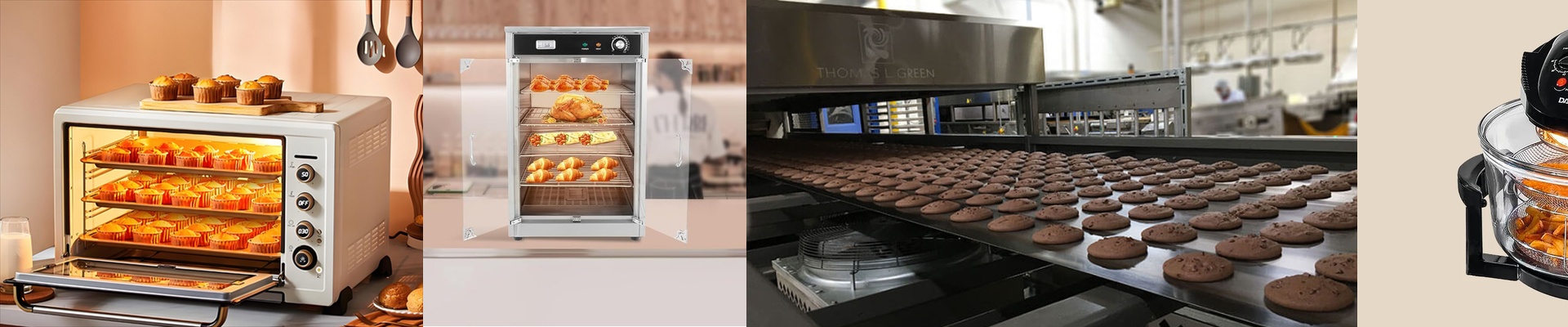
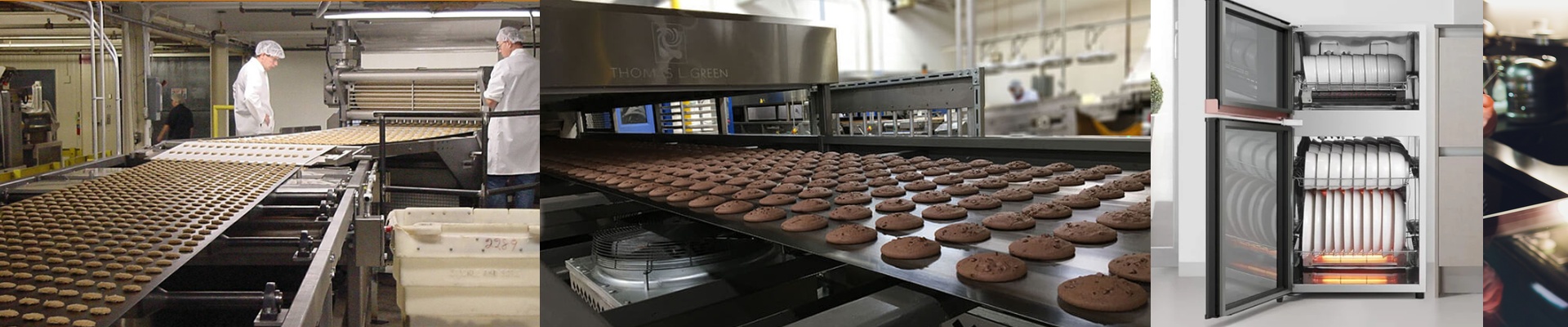
Baking bread is basically a race. You want that deep, golden-brown crust, but you have to get it before the inside of the loaf turns into a crouton. That’s why we use 220V shortwave infrared (IR) emitters in our convection ovens. They give you that punch of instant heat needed to trigger the Maillard reaction—the science-y term for that delicious browning—right on the surface.
Why “Slow” Heat Doesn’t Cut It
Standard convection heat is a bit sluggish. It relies on moving air to get the job done. The problem? If you keep cranking the heat just to get a dark crust, you’ll probably overbake the center of your bread. Our IR emitters change the game. Instead of waiting for the air to warm up, they send electromagnetic radiation straight into the dough. We call this a “second-level response.” In plain English: the moment the controller flips the switch, the filament hits peak temperature. It’s nearly instant. You can flash-brown the top of a loaf in the final 60 seconds of the bake and call it a day.
The Nitty-Gritty on Power
We stick with 220V because it lets us keep the hardware compact without sacrificing power. Because it’s shortwave radiation, the energy is absorbed by the surface of the dough much faster than a traditional heating element. But here’s a heads-up: this is a lot of heat in a small space. If you’re putting these into an old oven chassis,**double-check your ventilation.**If the airflow isn’t right, that sudden spike in temperature can actually warp thin steel.
Keeping Things Running
We designed these to be drop-in replacements. No nightmare wiring sessions here—just standard industrial connectors that stay tight even when the metal expands and contracts from the heat. Just remember that commercial kitchens are messy. Grease loves to build up on the quartz tubes, which creates hotspots and kills the lamps early. Keep them clean. A quick, regular wipe-down ensures the heat hits your bread evenly and your equipment lasts a lot longer.