Getting That Perfect Golden Brown (Without Burning Everything)
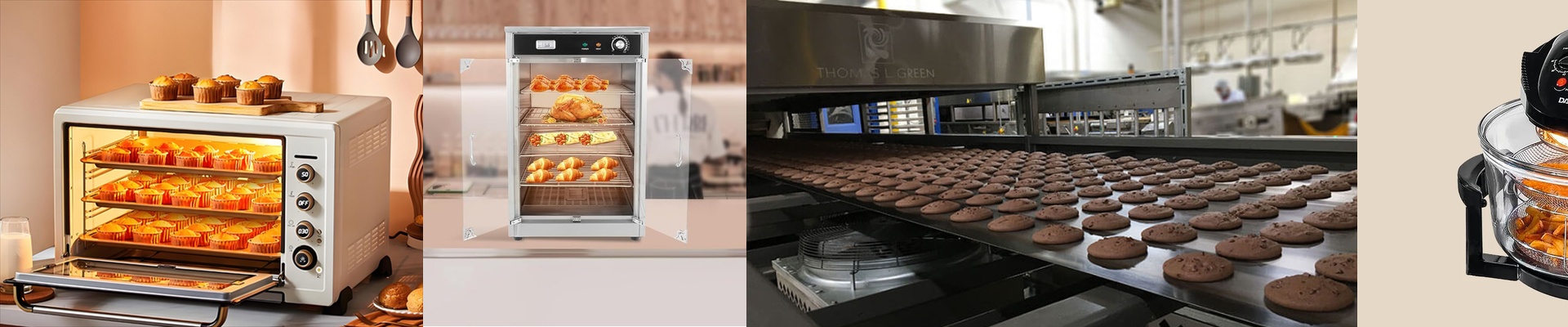
Ever wonder why some crusts come out like a dream—perfectly golden and crisp—while others just end up charred? It all comes down to the Maillard reaction. It’s that sweet spot where heat hits the food and turns it brown and delicious. The problem is, that window is tiny. If you’re using a standard convection oven, you’re basically relying on hot air. But air is slow. It takes forever to react. By the time your oven realizes the temperature has dropped and kicks the heat back on, you’ve often already overshot the mark and burnt the surface. That’s why we put short-wave infrared (IR) heaters inside our stainless steel ovens.
Why IR Changes the Game
Think of IR heaters as a shortcut. Instead of waiting for air to carry the heat, IR sends energy straight to the food using electromagnetic radiation. It’s incredibly fast. Like, “second-level” fast. The moment the controller cuts the power, the heat stops. Period. No lingering heat, no “oops, I left it in too long.” You get that satisfying crunch on the outside, but the inside stays juicy and tender.
The Nitty-Gritty of the Build
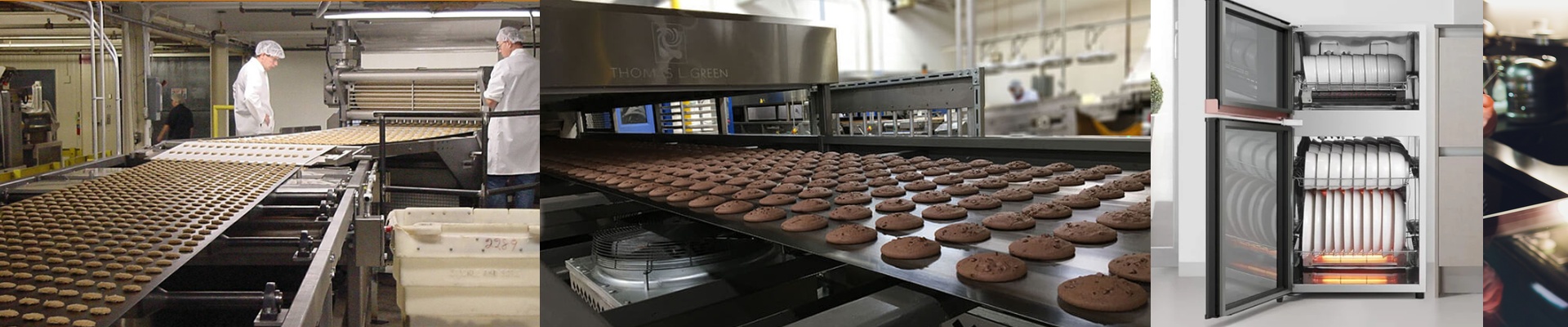
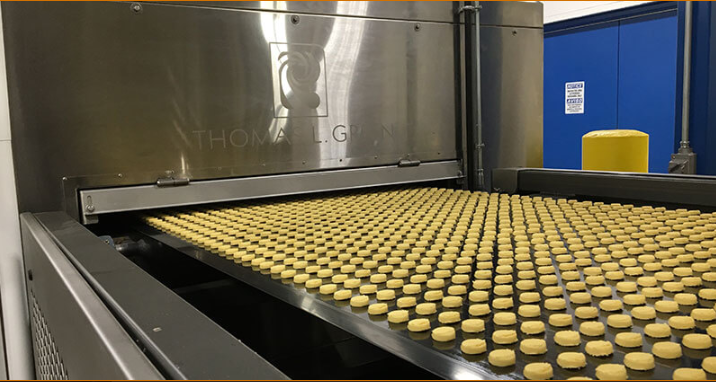
We use high-grade stainless steel for the housing for a simple reason: it bounces those IR waves right back onto your food. It saves energy and keeps the outside of the oven from becoming a furnace. But a word of caution if you’re building or tweaking your own setup: this much heat density is a lot for your electronics to handle. If you’re running high-wattage IR tubes, double-check your wiring and contactors. Make sure they can handle the peak current, or you’ll end up with melted terminals, which is a mess nobody wants.
Finding the Balance
Now, IR is fast, but it’s also very directional. If you only use IR, you’ll get “hot spots” and some parts of your food will be scorched while others are barely warm. The trick is to pair IR lamps with a forced-air system. Let the air do the heavy lifting for the bulk of the cooking. Then, use the IR lamps as your “finishing tool” to trigger that beautiful caramelization right at the end. Just keep an eye on the airflow—if the air isn’t moving enough while the lamps are cranking, you’re asking for burnt edges.