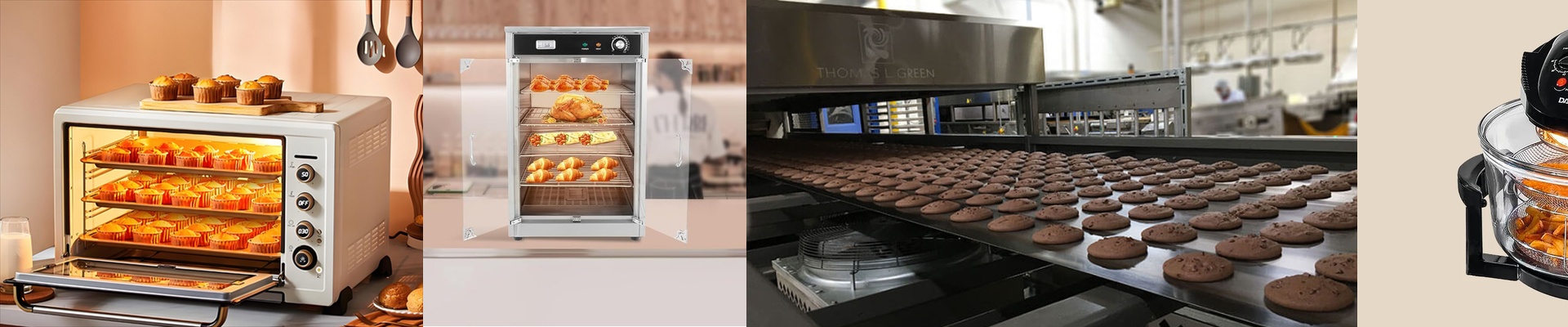
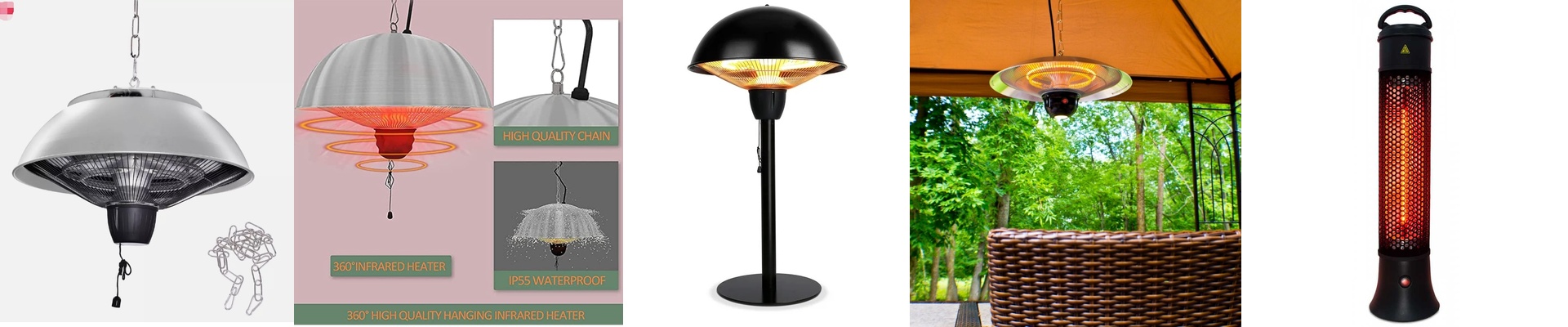
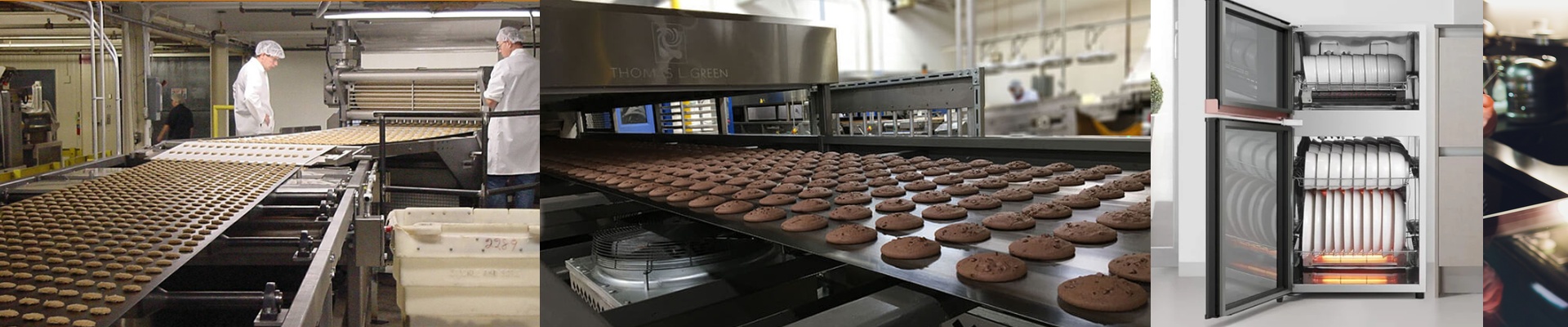
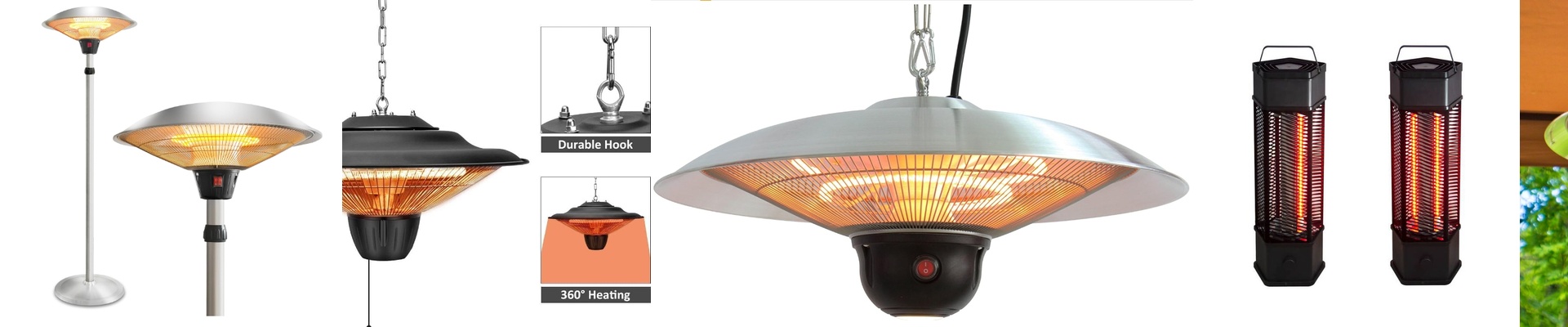
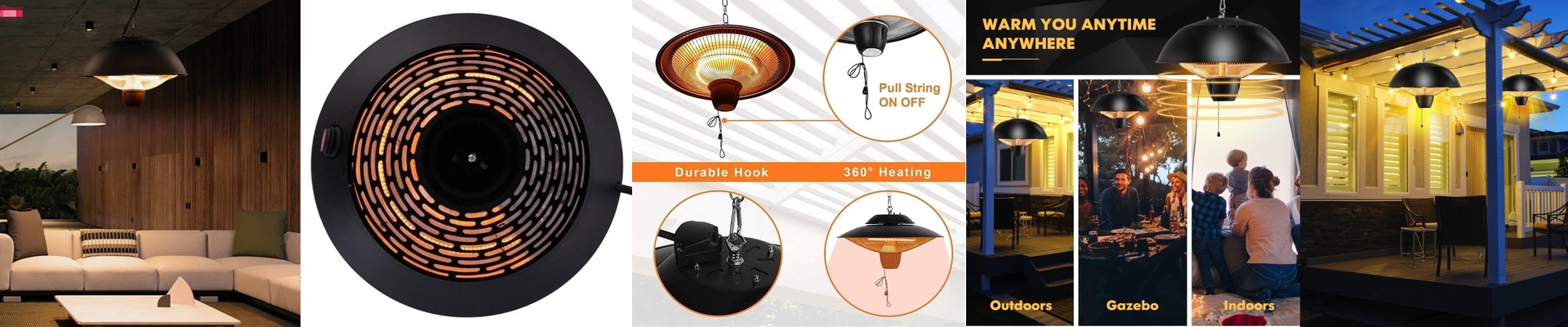
When the rush hits, your deck oven or rotary oven can’t afford slow recovery or uneven heat. Hot spots scorch the crust while cold zones leave dough underdone, and every wasted minute eats into your margin. We built the twin quartz bakery oven IR heater to cut out that variability and keep production moving.
What matters, technically
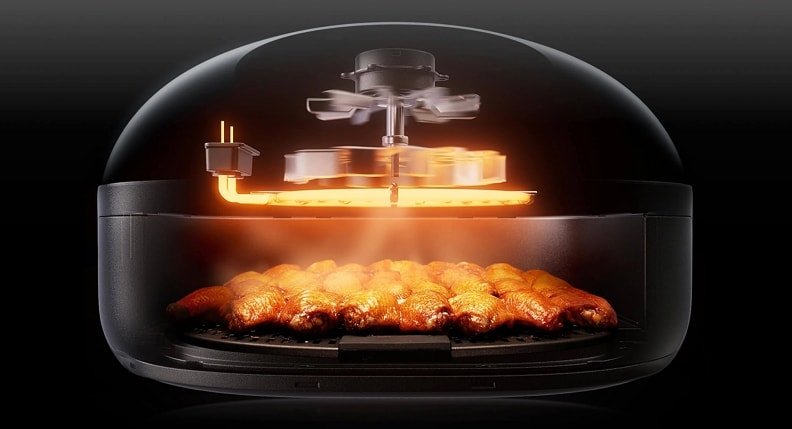
Twin quartz elements deliver short-wave infrared that penetrates the top surface fast—driving caramelization and blister without overcooking the crumb. The pair is wired as independent zones, so you can balance top and bottom heat separately, whether you’re running thin crust or deep-dish. Heat-up is quick—full operating temperature in under two minutes—so you recover the moment you open and close the door. The quartz tubes sit in a compact, low-profile assembly that drops into standard deck ovens and rotary oven cavities, with terminals sized for common commercial connections.
Why it works in a real bake day
In a busy bakery, the oven door is opening and closing nonstop. With infrared, response is immediate, so the baking chamber temperature doesn’t sag between bakes. That gives you consistent bake times, predictable color, and fewer rejects. Independent twin control also means you don’t have to overheat the whole cavity to get the top right. That shortens cycle time and trims energy use per bake. The elements hold output steady through repeated thermal cycling, so you can run back-to-back production without the dip that gas burners and older electric coils tend to show.
The things you’ll want to keep straight
Quartz IR performs best when it’s aimed at a clean, reflective hearth and paired with a thermostat that can keep up with the fast response. Keep the heater housing and reflector clear—grease and flour buildup will rob output and throw off browning. Because the heat is directional, you may need to adjust rack height or add a secondary bottom heat source for very thick or loaded pans. Plan the wiring to match your oven’s voltage and amperage, and use high-temperature rated leads so the terminals don’t fail early.