Dealing with Thermal Drift in IR Bread Baking
Baking bread is all about hitting that perfect temperature window. But here’s the problem: your shop floor isn’t a laboratory. Between the seasons changing and the HVAC kicking on and off, the air temperature is always moving. If your IR elements are just running at a fixed power percentage, you’re going to have a bad day. You’ll end up with crusts that aren’t quite right or, even worse, centers that are still raw.
How we keep things steady
To stop that ambient drift from ruining a batch, we use a closed-loop PID control system. Think of it as a brain that’s constantly paying attention. It watches the surface of the dough and the air around the lamp. If a cold draft hits the line or someone opens the bakery door and lets the heat out, the controller notices immediately. It bumps up the power to the IR element to make up for that lost heat. No more “dips” in temperature. Just a steady, reliable bake.
The gear under the hood
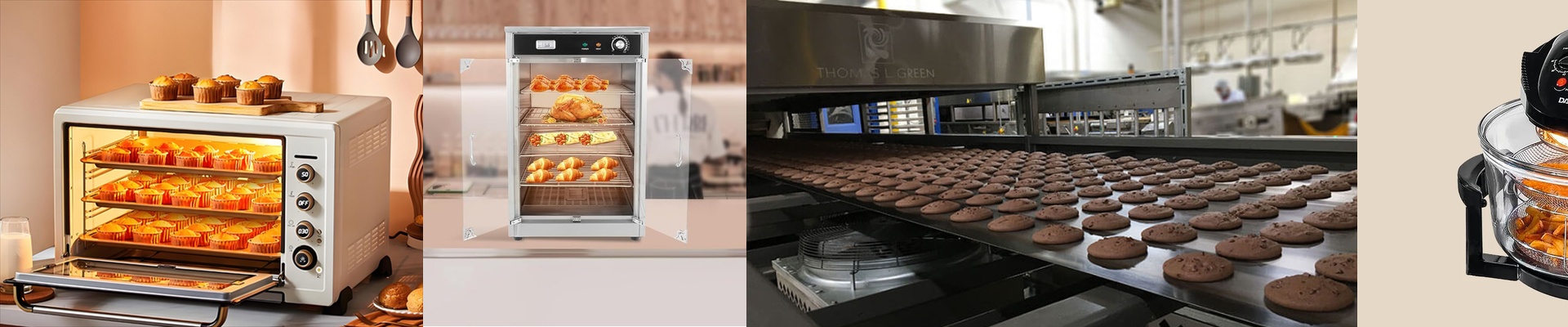
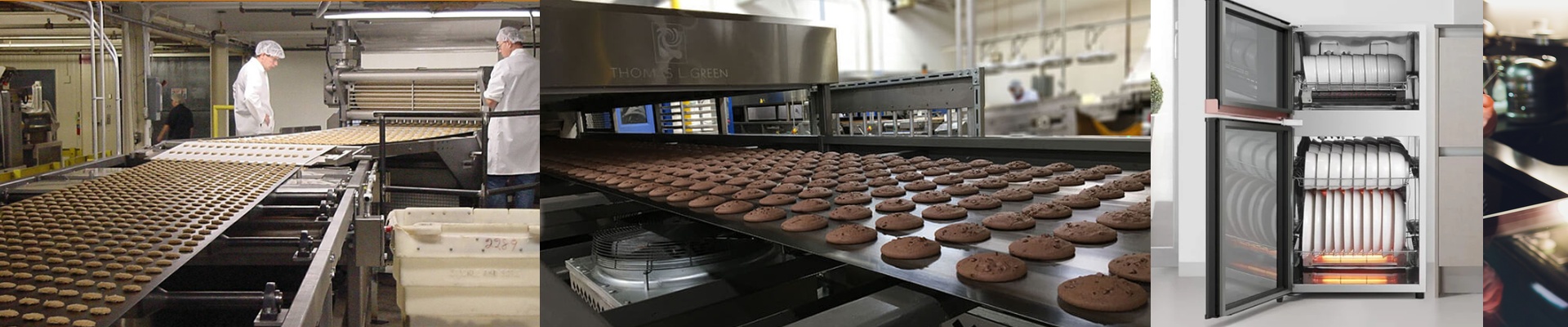
We use short-wave quartz technology here. The goal is to get the heat deep into the dough, and they do it fast. Because these have such high power density, the heating zone doesn’t need to take up half your floor space. And unlike those old-school convection ovens that take forever to warm up, these lamps hit your target temperature in seconds. It’s nearly instant.
The tricky parts (and how to fix them)
Now, there’s a catch. High-intensity IR elements get incredibly hot at the terminals. If you cheap out on the wiring or use connectors that can’t handle the heat, you’ll run into trouble. Under-specing your lead wires causes voltage drops, which messes with your PID tuning and makes the whole system act erratic. One more thing: use shielded cables. The SCRs used to pulse the lamps create a lot of electronic noise. Without shielding, your sensors might pick up that interference. When that happens, the system starts “hunting” for the right temperature—constantly jumping up and down instead of just locking in. It’s frustrating to watch, and it’ll burn out your elements way faster than they should.