Keeping Things Safe When It Gets Steamy
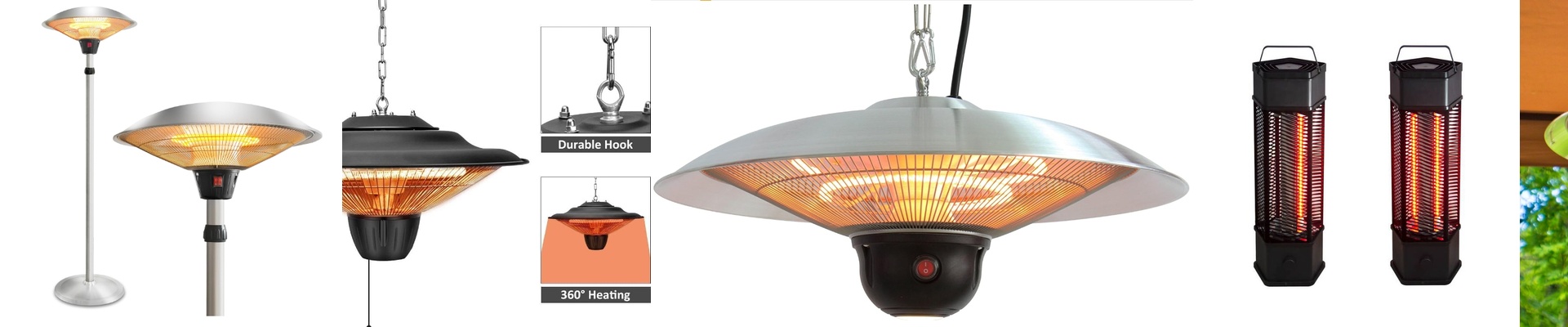
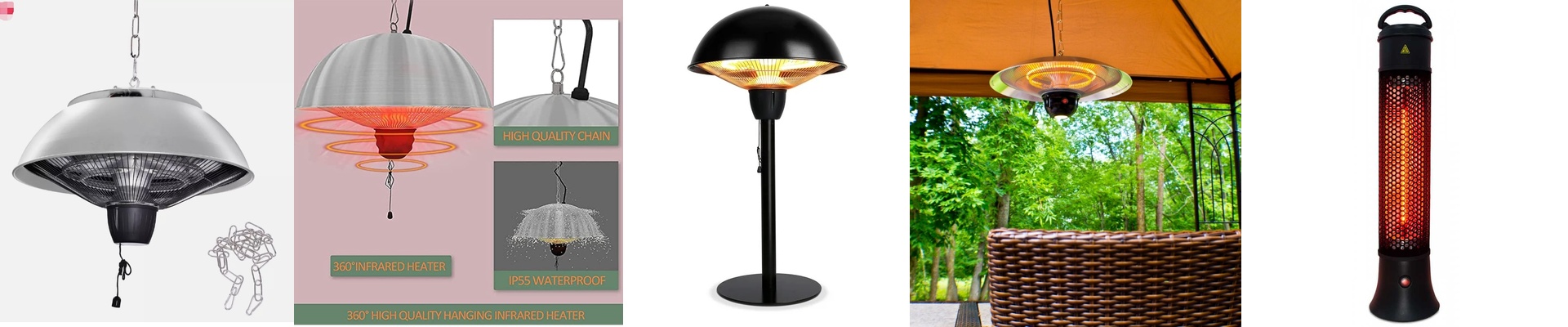
Let’s be honest: most infrared lamps just can’t handle a bathroom. Put a standard bulb in a steamy shower or a damp bathroom, and it’s usually a short trip to a short circuit. Or worse, the glass just cracks. It happens because cheap glass can’t handle the sudden jump from “scorching hot” to “cold splash.” That’s why we build our waterproof heaters to an IP55 standard. In plain English? It means we’ve locked out the dust and kept the water jets from touching the guts of the machine.
Why we use explosion-proof quartz
Imagine a glowing hot heating element. Now imagine a cold drop of water hitting it. With regular glass, that’s a recipe for a shatter. We use explosion-proof quartz tubing because it doesn’t freak out under that kind of thermal stress. It can take the hit. And look, no material is invincible—but if this tube ever does fail, it’s designed to break safely. You won’t have shards flying across the room. It’s the real-world safety net between you and the live electricity.
Dealing with the damp
Water and electricity are a bad mix. Humidity loves to creep into PCBs and terminals, creating little paths for electricity to leak where it shouldn’t. To stop that, we don’t just hope for the best. We use gaskets and sealed junctions to keep the steam out of the wiring. By tucking that quartz tube inside a rated housing, we basically kill the risk of ground faults in your wet zones. You can just relax and stay warm.
A quick word on heat
Here’s the thing: high-density infrared heat is incredibly effective, but it gets hot. Really hot. While the quartz tube is tough, the housing around it has to be able to breathe. If you cram these units too close together, the chassis will start to soak up too much heat. **Don’t skip the venting.**Make sure you’ve got enough airflow so the mounting surface doesn’t overheat. It’s not just a suggestion—if you’re running these at full power, your gear needs room to breathe.