


Introduction
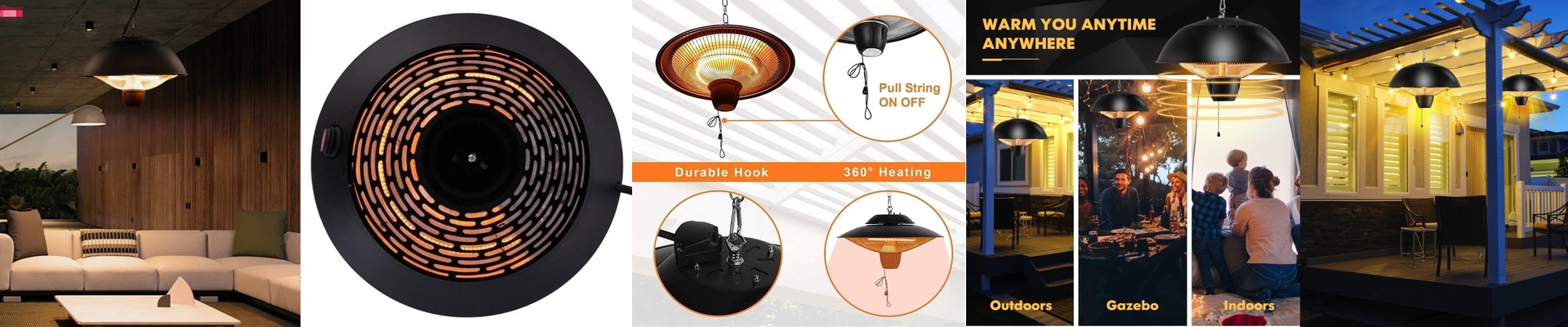
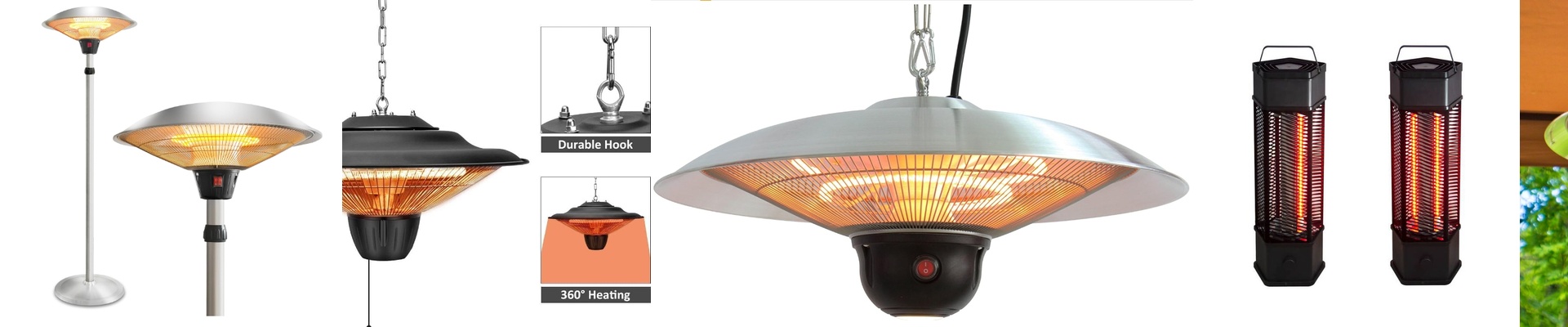
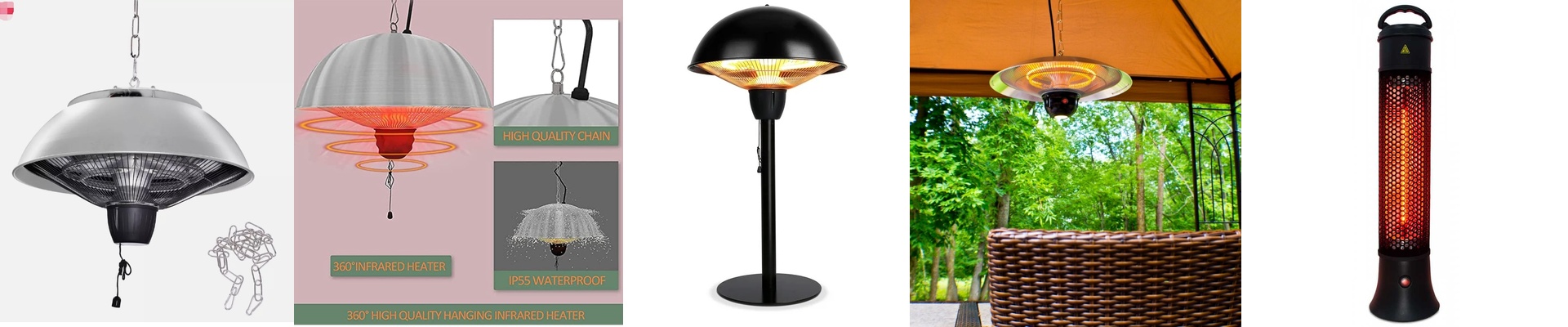
We built this IP65 waterproof infrared heater for the places that feel impossible to warm—outdoor spots and humid areas where regular convection heat just drags its feet and falls apart. It’s an infrared halogen lamp, designed to throw out serious radiant heat the moment you switch it on. Think changing rooms, loading bays, sheltered workstations—anywhere exposed and drafty. The whole point? Get people comfortable again fast, without having to overhaul the entire building’s heating system.
Power, Voltage, and the Specs That Actually Matter
Infrared heating comes down to one thing: hitting hard and hitting fast. We tuned the electrical design to pack a lot of radiant punch into a small footprint. Depending on the model, it runs on standard industrial voltages—usually 230V or 400V—so it plugs straight into what you already have, whether that’s single-phase or three-phase. No extra transformers. No panel headaches. Wattage is chosen to concentrate heat where you need it most. Industrial versions run in the multi-kilowatt range, but it’s focused into a tube length that keeps the beam tight on the target. Geometry matters. A shorter, high-wattage tube gives you a more directional heat pattern—perfect when you’re trying to warm a person or a small work area, not the whole room. Here’s the trade-off: more wattage per inch means higher surface temperature and more thermal stress. So you’ll want to make sure nearby materials can handle the radiant heat, and that your control wiring is rated for it.
What It’s Made Of—and Why It Holds Up
At the heart is a halogen-filled quartz tube. Quartz can take the heat and handles rapid on/off cycles without cracking under thermal shock. The halogen gas keeps the filament stable and helps prevent the lamp from dimming early due to blackening. We added a reflective coating on the inside to push infrared energy forward. That means better directional efficiency and less wasted heat bleeding toward the back. For outdoor and damp spots, IP65 sealing comes from gasketed joints and a sealed housing. It keeps rain and dust out—but it also means the inside runs hotter. So the end caps and seals are chosen specifically to live at high temperature, day after day. Then there’s the connector choice, which is all about practicality. R7s is a common double-ended linear contact that handles the current and makes the lamp a simple drop-in replacement in standard fixtures. If the job calls for something tougher, SK15-type connections lock down securely, stand up to vibration, and won’t disconnect by accident on a busy industrial site.
What It Feels Like in the Real World
This thing is built for speed and grit. Radiant heat moves at light speed, so people, hands, even equipment surfaces feel the warmth almost instantly. In a cold changing room, that means comfort arrives without waiting around for air to recirculate—and without heating all the empty space near the ceiling. For engineers, it’s the kind of simplicity you appreciate: install it and move on. The IP65 rating means you can put it right where you need it, out in the open, without adding extra enclosures. And the compact tube shape slips into tight spots where ducted heaters or bulky convection units simply can’t go. Now, a heads-up for the install: because it’s radiant, you’ve got to plan sightlines and clearances. Mount it to aim heat where it matters, keep it away from anything flammable, and match the circuit protection to the inrush and continuous load. When you get it spec’d right, you get focused heat that’s fast—and tough enough to hang in there, even in wet, harsh outdoor conditions.