Why You Should Ditch the Old Bathroom Heat Lamps for High-IP Infrared
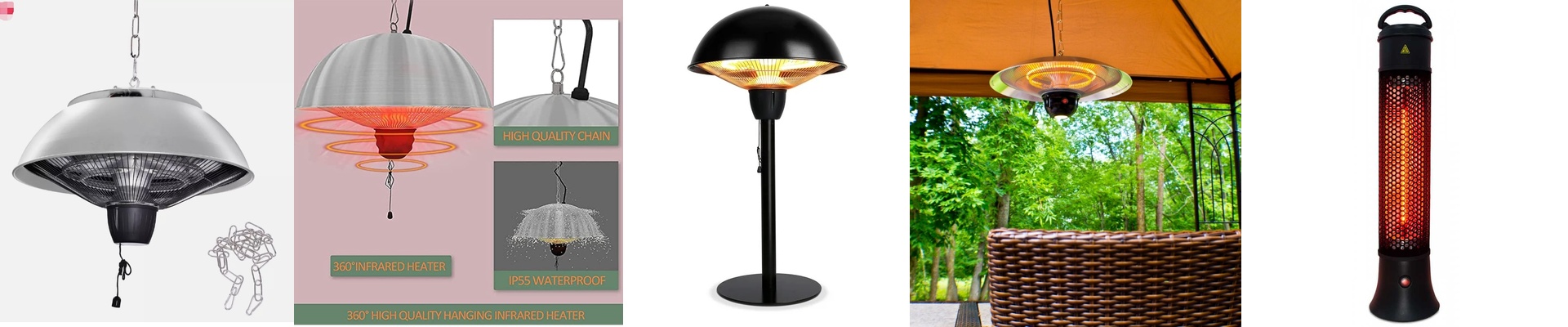
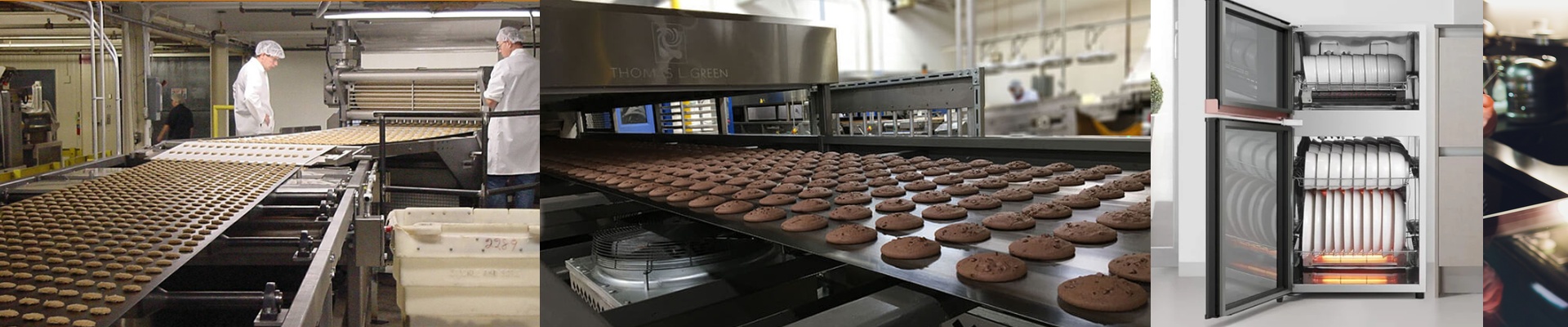
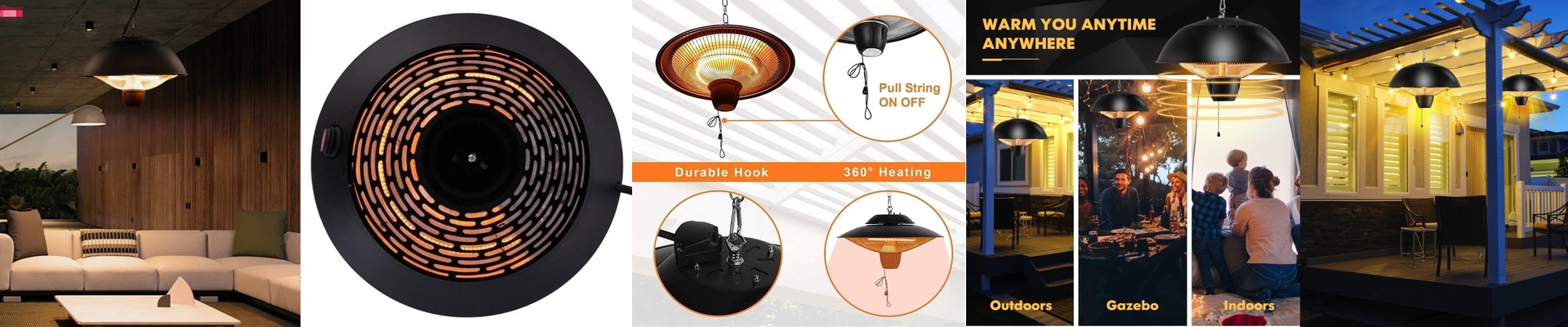
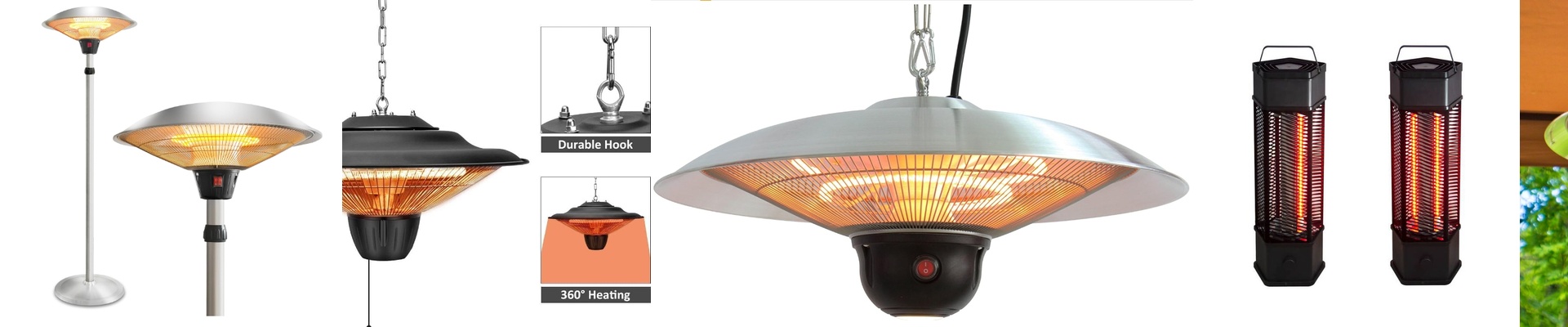
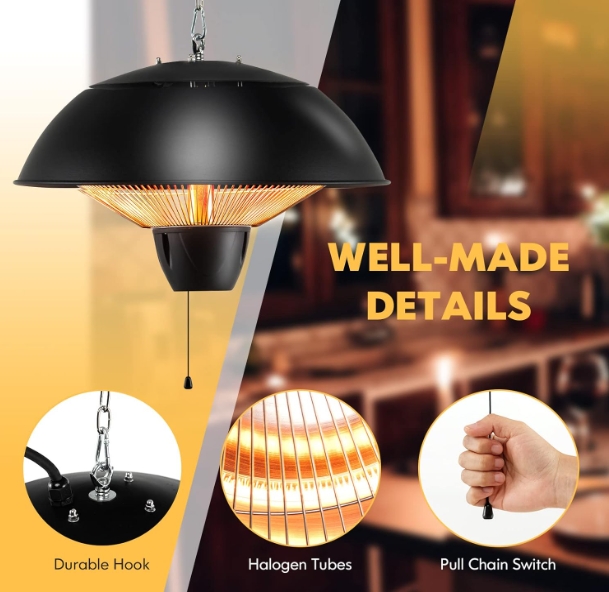
Let’s be honest: those old-school halogen heat lamps in bathrooms are kind of a nightmare. You know the ones. They get blindingly hot, they flicker, and they always seem to die right when you actually need them. The truth is, bathrooms are brutal on electronics. It’s not just the humidity; it’s the constant cycle of steam and direct splashes. Most standard lamps just aren’t built for that. The problem with the “cheap” stuff Here is the thing about those glass halogen bulbs. They get incredibly hot. Then, a bit of cold water splashes on them, and crack. The glass can’t handle the shock. Even if they don’t shatter, moisture finds a way in. Most budget fixtures have terrible seals, so steam creeps into the wiring. Before you know it, you’ve got a short circuit or a burnt-out bulb. It’s a cycle of replacing the same unit every couple of years. It’s annoying and a waste of money. A better way to stay warm That’s why we’ve shifted to high-IP infrared heaters. If you aren’t a tech nerd, “IP rating” basically just means “how well does this keep water out?” We use sealed quartz tubes and heavy-duty gaskets to make sure water stays where it belongs—on the floor, not in the wires. But the real magic is in how they heat you. Instead of trying to warm up all the air in the room (which takes forever), these use short-wave infrared. It hits you directly. It’s instant. You step out of the shower, flip the switch, and you feel the warmth immediately. No waiting around shivering. We also added special coatings to the tubes. This stops those annoying “hot spots” you get with cheap heaters, giving you a steady, comfortable glow instead. The trade-offs (because nothing is perfect) Now, there are a couple of things to keep in mind. First, you can’t just plug these into any old outlet. They pull more power than a light bulb, so you’ll need a dedicated circuit. If your wiring is too thin or your breaker is too weak, you’re going to trip the power the second you turn the heat on. Definitely get a pro to check your load first. Also, these units are a bit chunkier. They need heat sinks and those thick seals to stay waterproof, so they aren’t as slim as a halogen lamp. But honestly? I’d take a slightly bulkier heater over one that dies the moment the shower gets steamy. It’s just a smarter way to build a bathroom.