
Why Your Bathroom Heater Keeps Dying (And How to Fix It)
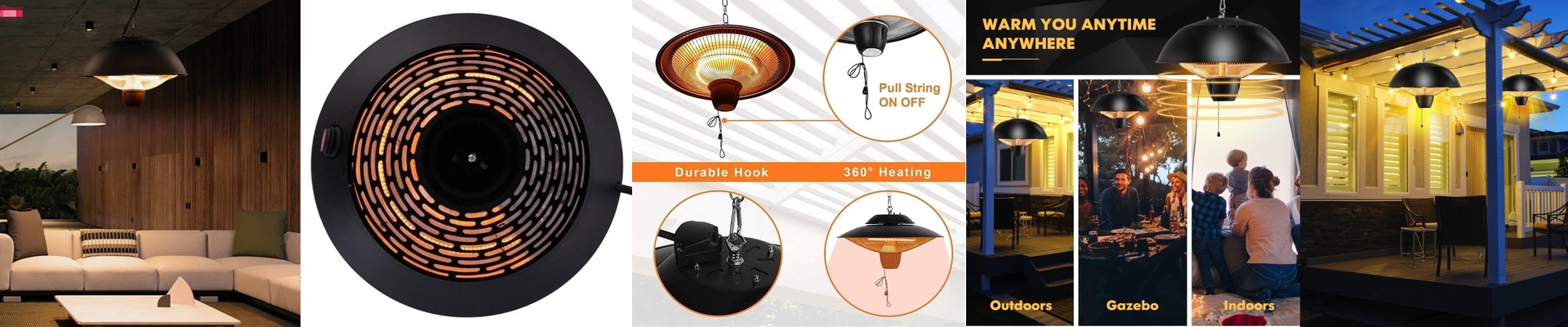
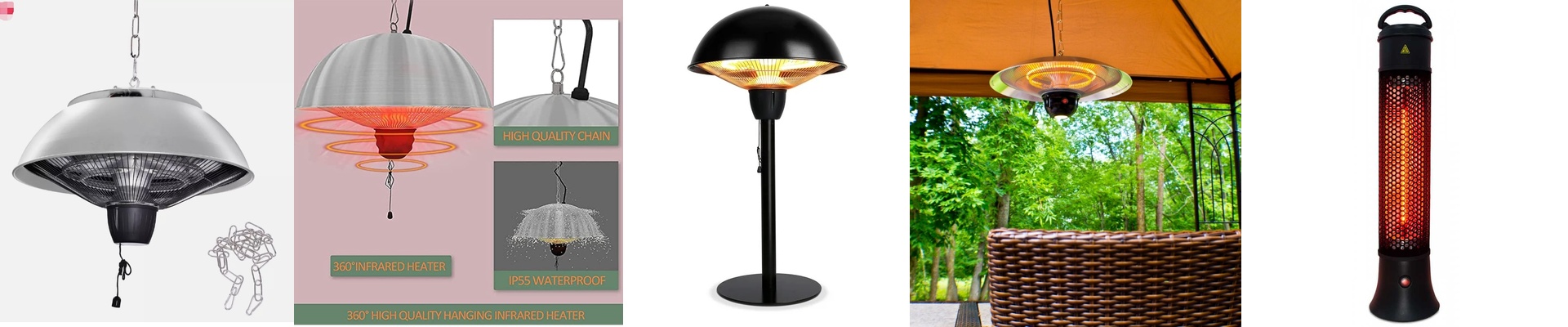
Ever notice how heaters in steamy bathrooms always seem to quit right when you need them? It’s a classic problem. Most standard lamp heaters just aren’t built for that kind of humidity. Moisture sneaks into the housing, hits the circuitry, and—pop—you’ve got a dead unit. That’s where waterproof infrared heaters come in. They basically lock the electronics and heating elements inside a sealed, IP-rated box so the steam can’t get in.
Getting the Seal Right
Standard heaters just can’t handle a hot shower. To make something actually “bathroom-ready,” we look for an IP65 rating or better. In plain English? It means the unit is tight enough to keep out dust and can handle a direct spray of water without flinching. We use high-temp silicone to seal the joints and tempered glass for the front. This is important because when the heater kicks on, the glass expands fast. Regular glass would just crack. This setup keeps the water vapor far away from the live wires, which is exactly where you want it.
Why Infrared Just Feels Better
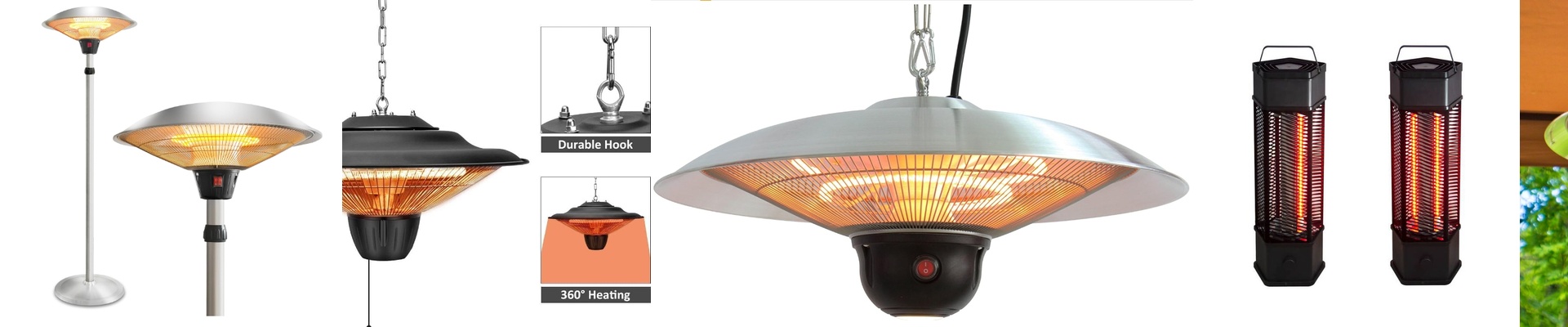
Most heaters try to warm up the air. But in a bathroom, that warm air just floats up and disappears through the vent. You’re left shivering the second you step out of the shower. Infrared is different. It doesn’t bother with the air; it sends out waves of heat that hit your skin and the walls directly. It’s an instant warmth. No waiting around for the room to “warm up.” We use quartz or halogen elements to make this happen. They hit their peak temperature in a few seconds. Plus, they’re smaller than those clunky old heaters, so they actually fit into tight ceiling grids without a fight.
The Catch: Don’t Just Plug It In
Here is the thing: you can’t just plug these into a regular wall outlet and call it a day. These units pull a lot of power. If your electrical panel is old, you’ll probably trip the breaker the moment you flip the switch. It’s frustrating, and it’s a sign your wiring can’t handle the load. We always suggest running a dedicated circuit for these. It keeps everything stable, so your lights don’t flicker every time the heat kicks in. Once the power is sorted, these things are tanks. They take a beating from the humidity and just keep on working.