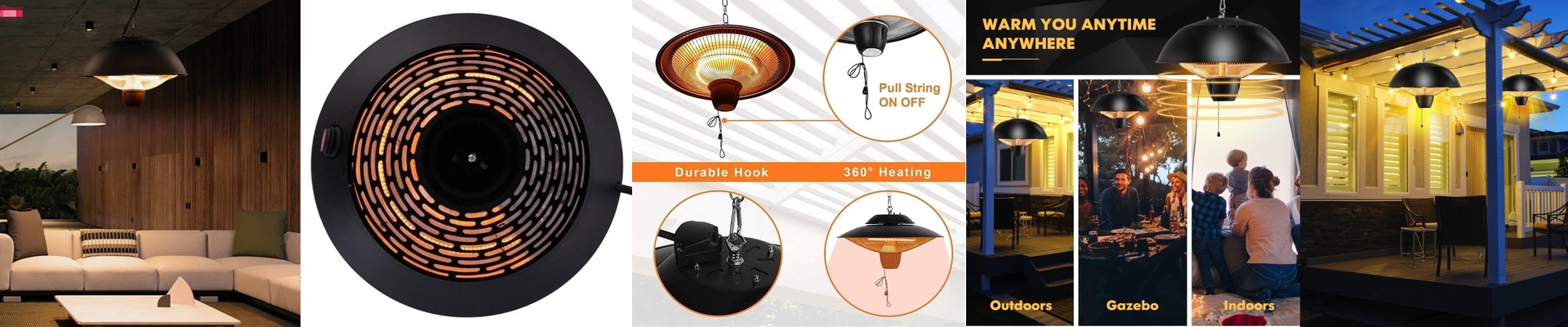

Why Your Bathroom Needs an Infrared Heater (And Why Those Old Lamp Heaters Keep Dying)
Ever notice how those old-school halogen lamp heaters always seem to give up the ghost right when winter hits? It’s frustrating. You step out of a hot shower into a freezing room, and the heater just… flickers. Or worse, it doesn’t turn on at all. Here’s the thing: those heaters weren’t really built for the steam of a bathroom.
The problem with the “old way”
Most traditional heaters have “open” designs. They’re basically just hot bulbs in a box. But bathrooms are humid. Steam finds its way inside the housing, eats away at the metal contacts, and burns out the heating element. It’s a slow death. First, it gets a bit dimmer. Then it flickers. Then it’s just a piece of expensive plastic on your ceiling.
Enter the high-IP infrared heater
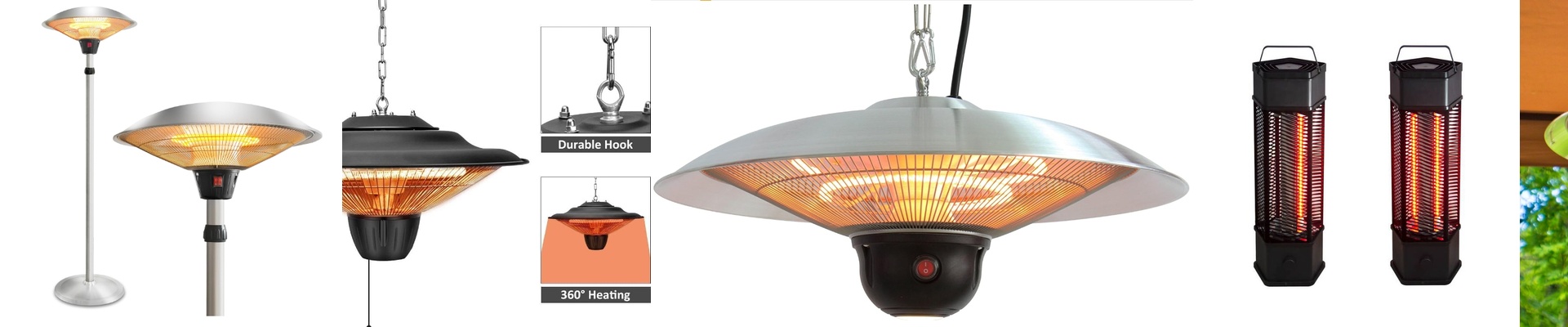
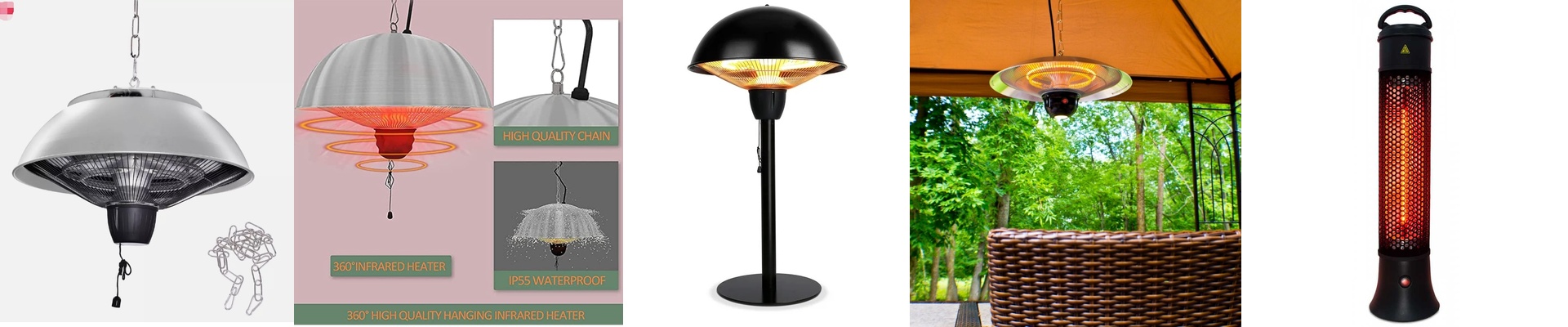
You might see “IP ratings” on the box—which is just a fancy way of saying “how well this keeps water out.” Modern infrared units are sealed tight. We’re talking tempered glass or heavy-duty polymers that act like a shield. The heating element stays dry, and the electricity stays where it belongs. No moisture bridging the gap, no shorts, and no scary sparks. It’s just… safer.
Warmth you actually feel
There’s a huge difference in how these things actually warm you up. Old heaters try to warm the air. But in a bathroom, the air is heavy and damp, so the heat just kind of floats around or disappears. Infrared is different. It sends out waves that hit you and the walls directly. **It’s instant.**You feel that glow on your skin the second you flip the switch, even if the rest of the room is still chilly.
The trade-off
Now, There is one catch. Because these units are sealed so tight to keep the water out, you can’t just pop a new bulb in when it wears out like you could with the old ones. If the element finally dies after years of use, you usually replace the whole module. But honestly? I’d rather replace a module once every decade than fiddle with burnt-out bulbs every single season. Just a quick tip: these units can pull a decent amount of power when they first kick in. Make sure your circuit breaker can handle the wattage so you aren’t tripping the power every time you want a warm bathroom.