

Getting Your Heat Right: Replacing Lamps in SIPA and Krones Machines
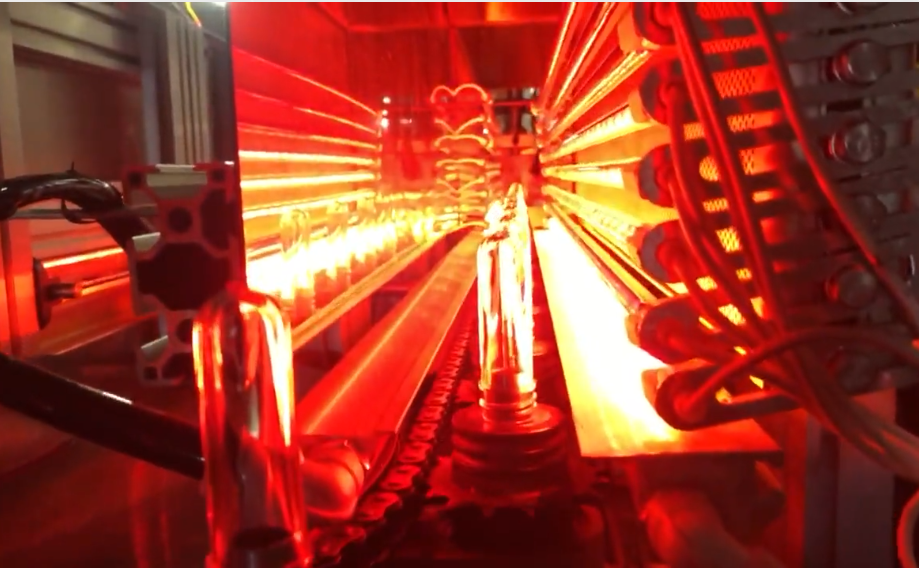
If you’re running a SIPA SFR 16 or a Krones Contiform, you know that the oven profile is everything. It’s a balancing act. When the OEM prices start getting ridiculous, you naturally look for a replacement. But you can’t just throw any bulb in there. You need something that hits the exact same wattage and spectral output, or your heat distribution is going to be a mess. The science of the heat Here’s the thing about shortwave IR heating: it’s all about getting that PET to the glass transition temperature without ruining it. We use high-wattage halogen quartz lamps because they pack a lot of heat into a tiny space. That shortwave radiation is key. It punches through the PET wall quickly. This keeps the core warm while making sure the outside doesn’t scorch. If your wattage is off by even 5%, you’re going to see it in the bottles. You’ll get uneven walls or that annoying “pearlization” that makes a bottle look cloudy. Nobody wants that. The build quality We don’t mess around with the glass. We use heavy-wall quartz so the tubes don’t bow when things get scorching hot. Then there’s the connection. We stick with R7s or Sk15 connectors because they actually stay tight. A loose connection is a nightmare—you get arcing, and your sockets burn out way faster than they should. We also add a specific coating to the quartz. It shifts the emission spectrum so the PET resin actually absorbs the heat instead of just bouncing it away. Installing them (and the trade-offs) The good news? These are drop-in replacements. You pull the old one out, pop the new one in, and you’re back in business. But a word of caution: don’t get greedy with the wattage just to squeeze out a faster cycle speed. If you push these lamps to their absolute limit, you’re putting a lot of stress on your power supplies and cooling blowers. Your lamps won’t last nearly as long. And please, keep them clean. Seriously. Carbon buildup on the glass blocks the IR transmission. That creates hot spots, and before you know it, your filament is toast. A simple cleaning schedule saves you a lot of headaches down the road.