Getting More Out of Your Amsler Blow Molder
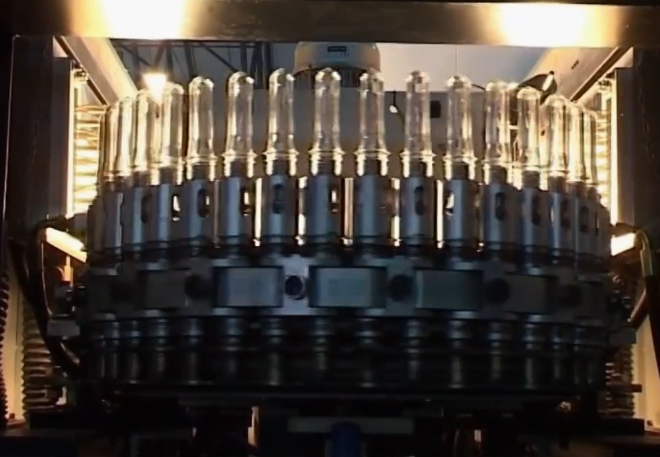
I get asked this all the time: “If I just swap out my old infrared lamps, will I actually get more bottles out the door?” The short answer? Yes, but only if you get the heat and the wavelength right. On those Amsler-style machines, the oven is almost always the bottleneck. If your lamps are old and tired, or if they were designed for a slow-and-steady pace, you’re stuck. You can’t speed up the cycle without ending up with preforms that aren’t heated evenly. And we all know what happens then—bad bottles and wasted plastic. The trick is all about heat density. We build our replacement lamps to push out as much shortwave IR as possible. By dialing in the voltage and wattage to fit your Amsler oven perfectly, we put more energy directly into the PET preform. We use high-wattage quartz tubes because they penetrate the plastic faster. That means you can crank up the conveyor belt speed. The plastic hits that perfect blowing temperature in less time, and your cycles per minute go up. It’s a simple win. It’s not just about the heat, though. It’s about the build. You aren’t getting some generic bulb here. We use heavy-wall quartz glass so the tubes don’t bow or warp when things get scorching hot. Then there are the connectors—R7s or SK15s. We make sure the fit is tight. Why? Because a loose connection creates a hot spot that will melt your socket right off the frame. We even add a special coating to the quartz to bounce the heat forward into the preform instead of letting it bleed back into the oven housing. Just a heads-up on the trade-off. More heat isn’t “free.” If you drop in higher-output lamps, your cooling blowers have to work a lot harder. If your ventilation isn’t up to the task, you might overheat the oven frame. I always tell people to double-check their airflow before pushing the machine to the limit. These are drop-in replacements, so the install is easy. But don’t forget to recalibrate your PID controllers. You want fast production, not scorched PET.