Getting Your Krones Contiform Heating Just Right
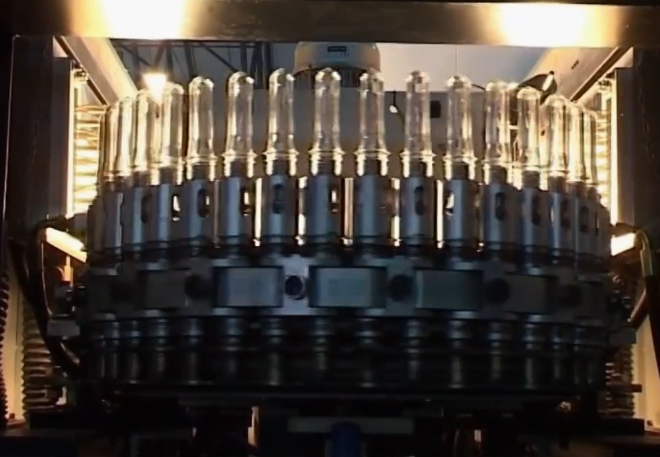
If you’re running a Krones Contiform or a SIPA machine, you already know the struggle. It’s a constant tug-of-war between getting enough heat into those preforms and trying to keep your lamps from burning out every five minutes. When the OEM prices start to feel like a gut punch, you want a replacement that just works. No tweaking, no guessing, and definitely no thin spots in your bottle walls. The Power Side of Things These lamps pull a lot of juice. We’re talking high-voltage circuits designed to blast shortwave infrared radiation right through the PET. That’s how you get those fast heat-up times. But here’s the thing: that kind of power is hard on your equipment. If your wiring is old or your connectors have a bit of oxidation, you’re asking for trouble. You’ll see arcing, and those lamp ends will fry way faster than they should. Keep your connections clean. It saves you a headache later. The Glass and the Guts We use heavy-wall quartz because these things go through a brutal cycle of heating and cooling. If the glass is too thin, it just can’t handle the shock. Most of our units use R7s or Sk15 connectors, so they snap right into place without a fight. Inside, there’s a halogen cycle that keeps the filament exactly where it needs to be. Some of our lamps even have a special coating that bounces the heat back toward the preform. It’s a great way to stop wasting energy, though keep in mind that the coating wears down over time. When it does, you might notice your heating profile shifting just a bit. The Trade-off This is all about speed and precision. You need that heat spread perfectly. If you get a “cold spot,” you get a weak spot in your bottle, and then you’ve got a quality control nightmare on your hands. Just a heads-up: when you push these lamps to their limit, the oven gets hot. Really hot. Make sure your cooling blowers are actually doing their job. If they aren’t, the quartz will overheat and pop. Simple as that.