


Getting the Heat Right for Your Husky HyPET
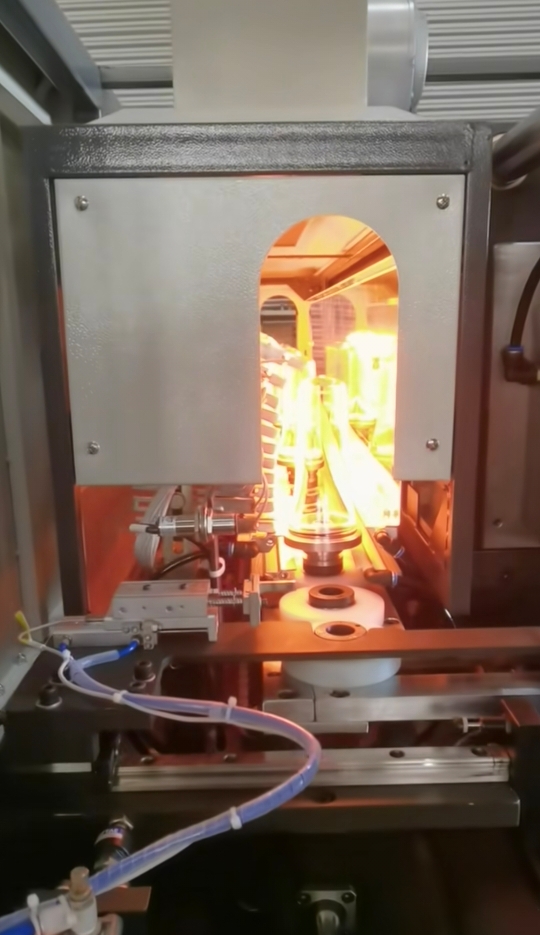
If you’ve spent any time with high-speed PET blowing, you know the heating phase is where things usually go sideways. When the IR radiation just skims the surface instead of actually getting into the preform wall, you end up with that annoying pearlescence or walls that are way too thin in some spots and thick in others. That’s exactly why we built our SMF replacement bulbs. We wanted to close that penetration gap. The secret is in the physics Most standard lamps just throw energy at the surface and call it a day. We did things differently. By tweaking the quartz composition and the halogen gas fill, we shifted the spectral output. Basically, the IR waves now punch through the surface and hit the core of the PET material. Since you’re getting more heat density per millimeter, the preform doesn’t have to hang out in the oven as long. Your cycles get faster. Simple as that. Will they actually fit? Yes. They’re drop-in replacements. We stuck to the original Husky footprint so you aren’t fighting with alignment issues during the swap. Whether you’re running 230V or 400V, we’ve calibrated the wattage to keep the flux high without creating those dreaded “hot spots.” We also beefed up the end caps. These ovens vibrate like crazy during 24/7 production, and the last thing you need is a bulb snapping because of a little shake. A quick heads-up on the trade-offs Here’s the thing: these bulbs push a lot more energy into the preform. That means your cooling blowers are going to have to work a bit harder to keep up. If your ventilation is clogged or just isn’t up to the task, you might risk overheating the oven chassis. Do yourself a favor and double-check your airflow settings once you’ve swapped the tubes in. Getting them running We used standard industrial connectors, so there’s no messing around with rewiring. Just swap them and go. One pro tip: keep your contacts clean and make sure they’re seated tight. In a high-pressure production environment, a loose connection creates arc points, and that’s the fastest way to kill a filament. Keep it tight, and they’ll last.