Getting Your SACMI Rotary Blow Molders to Heat Up Fast
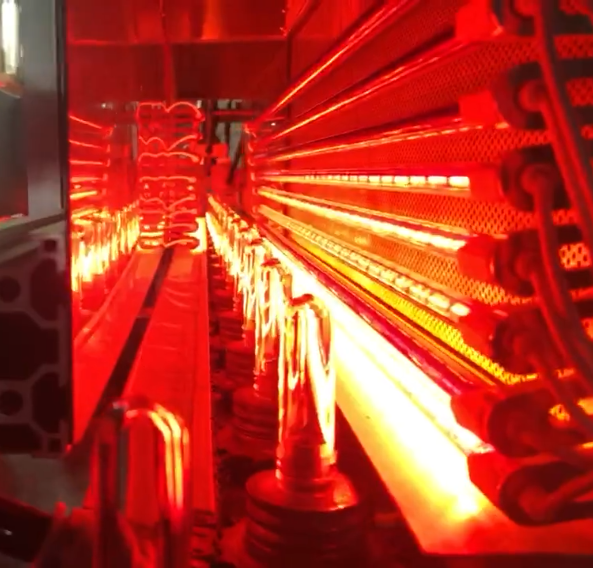
If you’re running SACMI rotary machines, you know they move fast. Like, really fast. When your machine is humming along at high frequencies, you only have a tiny window of time to get those PET preforms hot. If your lamps are sluggish during startup or just can’t keep up with the cycle, you’re going to see it in the bottles. We’re talking uneven walls or that annoying pearlescence that makes a bottle look cloudy. It’s a headache you don’t need. That’s why we build our infrared lamps to snap to temperature almost instantly. The secret is in the response time. To keep up with the rhythm of a rotary machine, we obsessed over the filament. By tweaking the tungsten diameter and the gas pressure inside the bulb, we cut out the lag. The lamp hits full power faster, which means your preform hits that critical glass transition temperature right when it should. One quick tip: make sure your wattage and voltage are a perfect match for your power supply. If they’re off, you’ll get flickering or, worse, the lamps will burn out way too soon. Sure, higher wattage puts out more heat per second, but it also puts a lot more stress on your reflectors. It’s a balancing act. Fit matters. A lot. We use high-purity quartz glass because it lets the IR heat through without blocking it. But the physical fit is where things usually go wrong. In a SACMI setup, every millimeter counts. If a lamp is slightly too long or the connector is a bit loose, you’ll get arcing. Nobody wants to deal with that. We use standardized connectors so you can just drop them in. No rewiring the oven, no fuss. A few things to keep in mind. High-intensity lamps are great for quick startups, but they run hot. Because they’re pumping out so much heat, your cooling blowers have to be spot on. If your airflow is blocked by dust or grime, the lamp housing will overheat and the quartz envelope will wear out much faster. Also, do yourself a favor: check your reflector alignment every 500 hours. You want that heat hitting the preform, not soaking into the frame of your machine. It takes five minutes, but it saves you a lot of money in the long run.