
When the rush hits, the oven can’t be the bottleneck. If it takes too long to come up to temp, or the stone hearth has hot spots, bake times stretch, tickets back up, and the crust comes out uneven. A worn-out heating element doesn’t just burn time—it burns energy, and you end up chasing the thermostat instead of running the line.
What matters under the hood
We built this replacement heating element for industrial rotary ovens around medium-wave infrared because it responds fast and lays heat evenly across the baking chamber. It’s specced for real-world kitchens: 240–480V compatibility, element lengths that match common rotary oven cavities, and standardized mounting brackets and terminal blocks so the swap stays straightforward. The quartz tube comes up to temp quickly—preheat times can be cut by up to 40% compared with conventional nichrome elements—and it holds stable, repeatable temperatures through long bakes.
Why this plays in a rotary oven
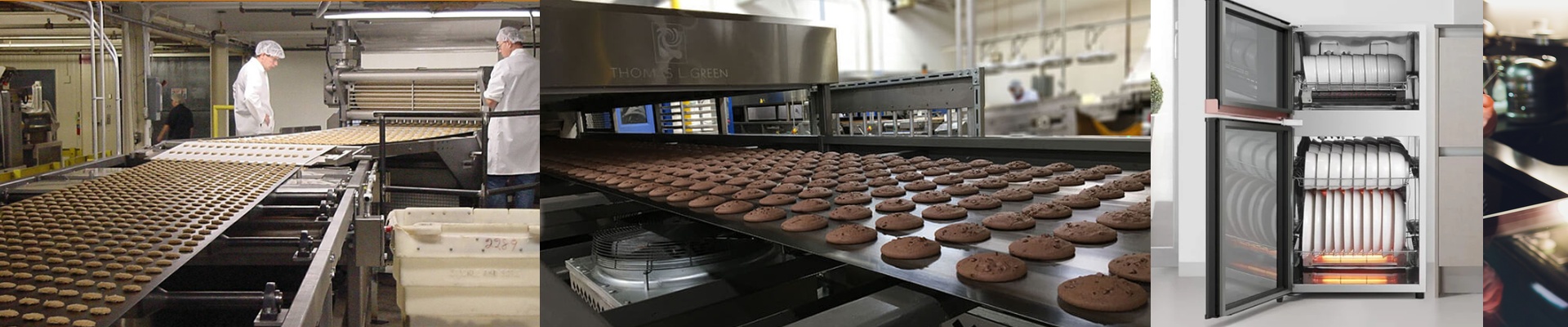
In a rotary oven, the deck is turning and the heat has to be consistent to get even caramelization and leoparding. Medium-wave infrared delivers penetrating heat that evens out the temperature profile, reducing edge-to-center variance and taking the guesswork out of hot spots. You see faster recovery after the door pops open, shorter bake windows, and fewer underdone centers. The payoff is predictable output, better crust quality, and a calmer service. Energy use per bake cycle drops, too, because the element hits setpoint fast and holds it steady.
What to watch for
Matching the element to your oven’s power, voltage, and cavity size is non-negotiable. A mismatched fit or wrong watt density will drive uneven baking and cut the element’s life short. Schedule the replacement during a lull, let the oven cool fully, and double-check thermocouple positioning after the swap. The install is straightforward on most models, but confirm your terminal configuration and clearances before you order.