


Basements are the forgotten spaces in a home—dark, damp, and always a few degrees colder than the rest of the house. That chill isn’t just uncomfortable. It feeds mold and mildew, making the air feel heavy and unforgiving. Traditional forced-air systems fight an uphill battle down there. They push warm air that rises and vanishes, leaving the floor cold and the moisture right where it was. The fix has to hit both problems: the cold and the damp.
What matters, technically
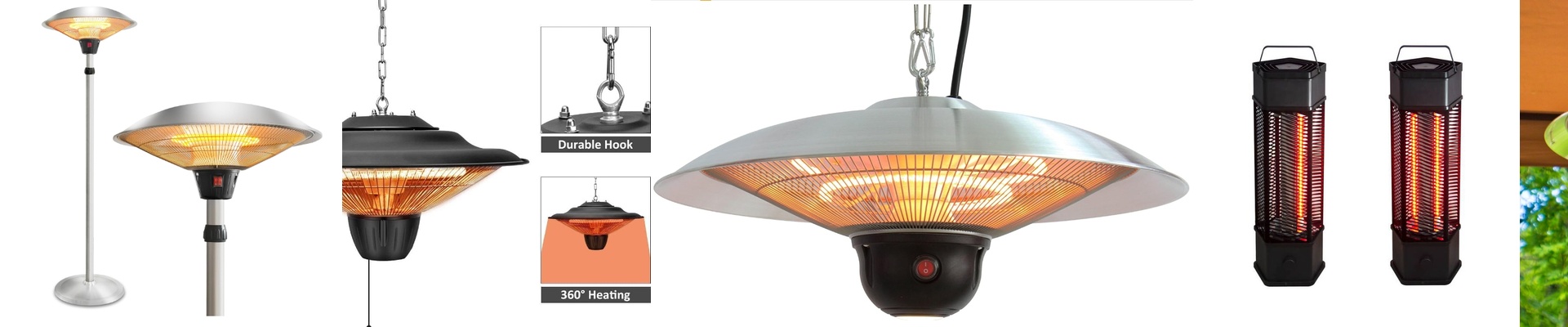
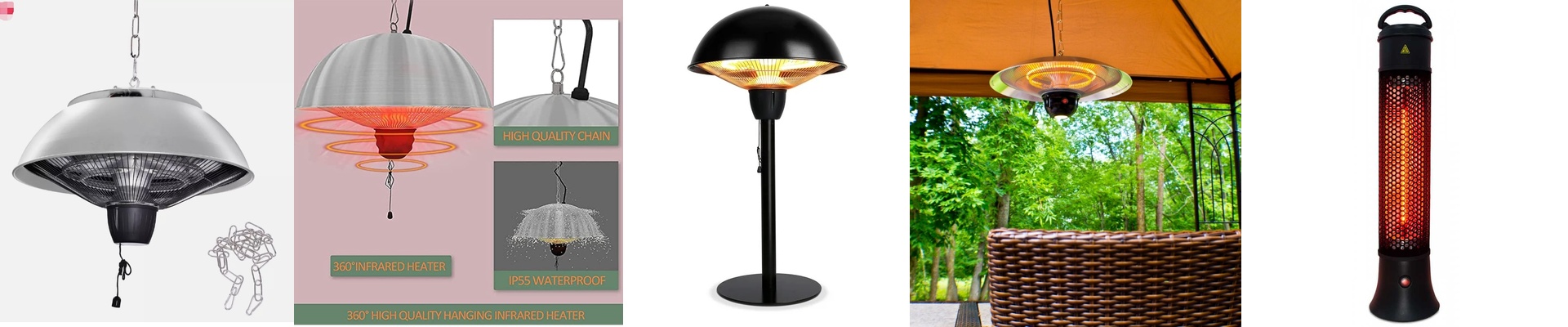
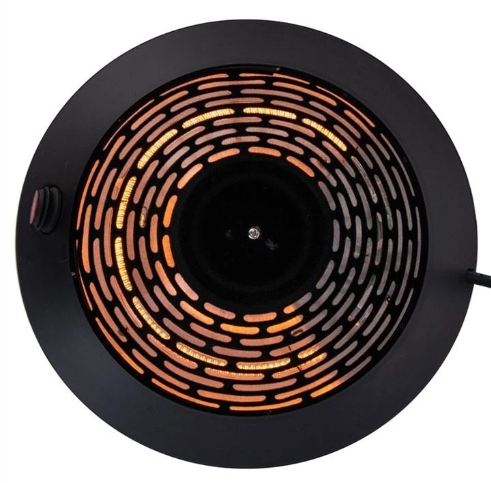
We built this wall-mounted infrared heater to deliver radiant warmth, not just hot air. At the heart is a high-efficiency carbon fiber element that produces long-wave infrared heat. A fan heater blasts air around. This warms objects and people directly, the way the sun does. You feel the comfort almost the moment it’s on. It runs on standard 120V power, pulls low wattage, and still puts out serious heat. The remote puts control in your hand without making you get up. For peace of mind, it’s loaded with safety features—overheat protection and a tip-over switch.
Why it works down there
In a basement, infrared heat is the smart move. It cuts through the chill without moving air around, so you don’t stir up dust or push humidity around. That gentle warmth helps keep surfaces dry, which naturally fights the damp that plagues below-grade spaces. You get a usable, cozy room without the expense of ductwork or a full-size HVAC system. Wall-mount clears floor space, and the remote means you can tweak the temperature from the couch.
The things you should know
Installation is straightforward for a qualified electrician, since it needs a dedicated outlet. Radiant heat is at its best in enclosed, insulated spaces. If the basement is very large or open, plan the unit’s position carefully—or consider running more than one for even coverage. But for most finished basements, this single, quiet heater is the clean, effective way to turn a cold, uninviting space into the most comfortable room in the house.