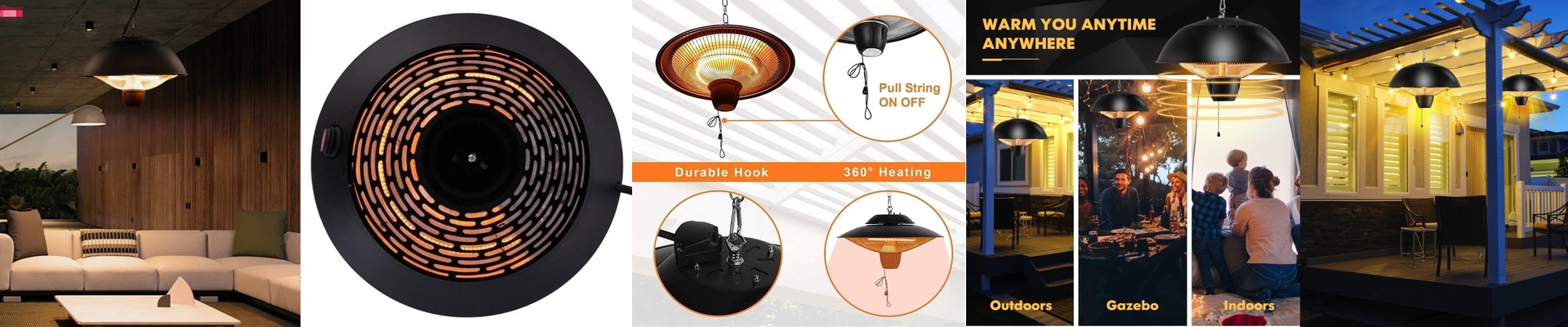
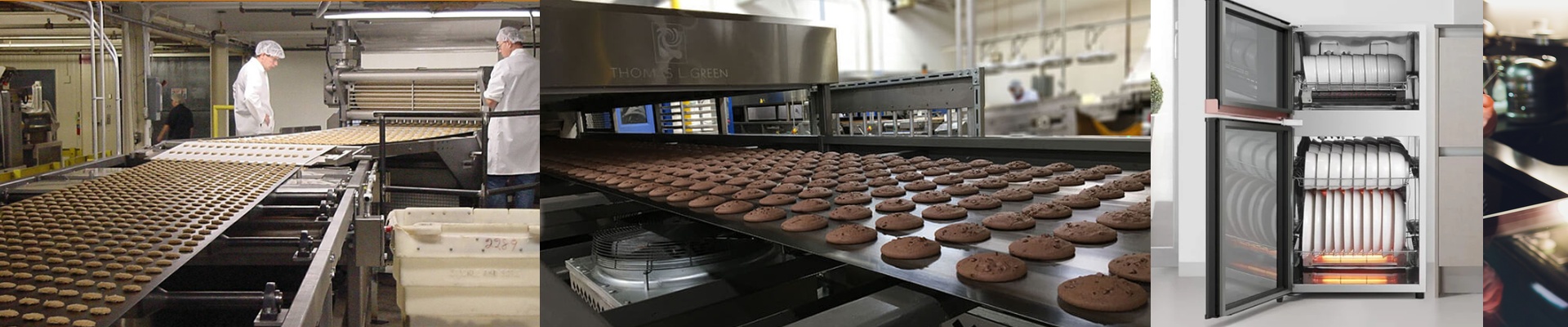
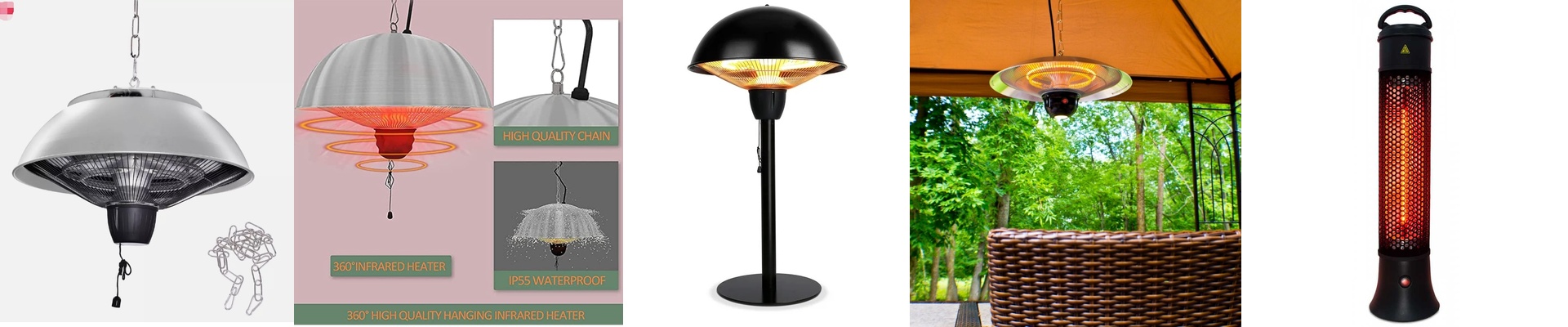
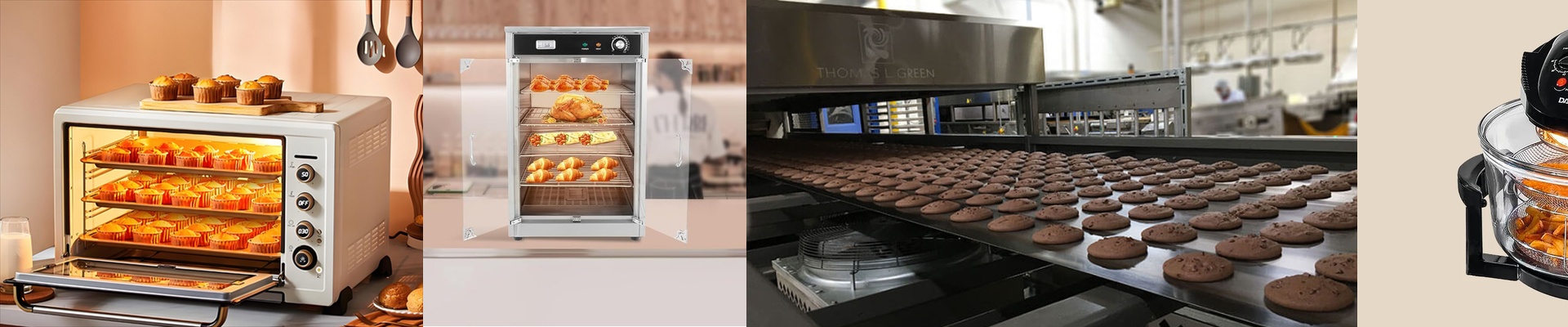

When your deck oven is running, the stone hearth does the heavy lifting on bottom heat, but the top load still needs direct radiant heat to set the crust fast. Without that, the bake drags, the crumb over-expands, and the top goes pale. The 110V infrared bulb was built to plug that gap—putting focused heat right where the crust forms. What actually matters under the hood We built this bulb around a quartz envelope and a short-wave infrared profile, tuned to punch into the dough and sear the surface quickly. The 110V rating keeps it compatible with standard countertop deck ovens, and the compact form fits tight reflector housings so the energy goes where you aim it—downward—instead of being wasted. It comes up to full output in seconds, so you can hit set temperatures without waiting for the whole baking chamber to rebalance. In practice, that means you can run shorter bake windows and still get the color and crispness your customers expect. Why this works on a deck oven On a deck, the stone gives you bottom heat and conduction. The infrared bulb adds the top-down radiant heat that drives caramelization and crisping. The payoff is a more even bake across the batch—fewer pale centers and fewer overdone edges. You also get faster recovery after door openings, because the element heats on demand instead of leaning on slow convection alone. That keeps service steady during rushes, and it keeps the same texture profile from the first tray to the last. The details that make the difference Installation is straightforward, but fit is everything. Confirm your reflector depth and socket type before ordering, because a shallow housing can leave the bulb exposed and create uneven hot spots. Infrared bulbs run hot at close range—stick to the specified clearances, and don’t touch the quartz with bare hands. When it’s matched to the right deck oven, this bulb is a practical way to tighten bake control and keep consistency plate after plate.