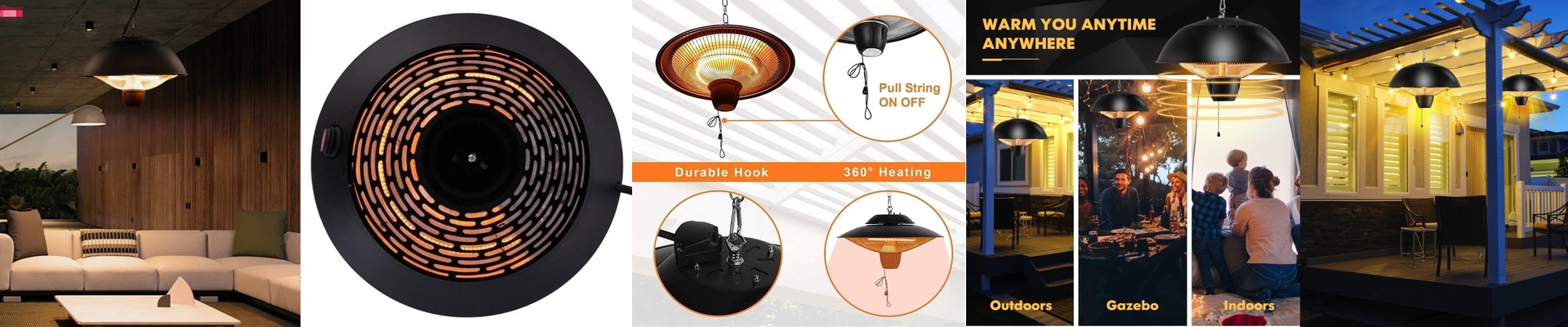
You know the moment. The infrared heater in your bakery tableware dryer starts to lose its punch, and you feel it right away. Warm-up takes longer. Drying turns spotty. The whole rhythm you built around fast, consistent turnover falls apart. Plates come out with uneven patches, and the oven is suddenly running longer just to hit the same setpoint. You’re burning energy, and you’re burning time.
What matters under the hood
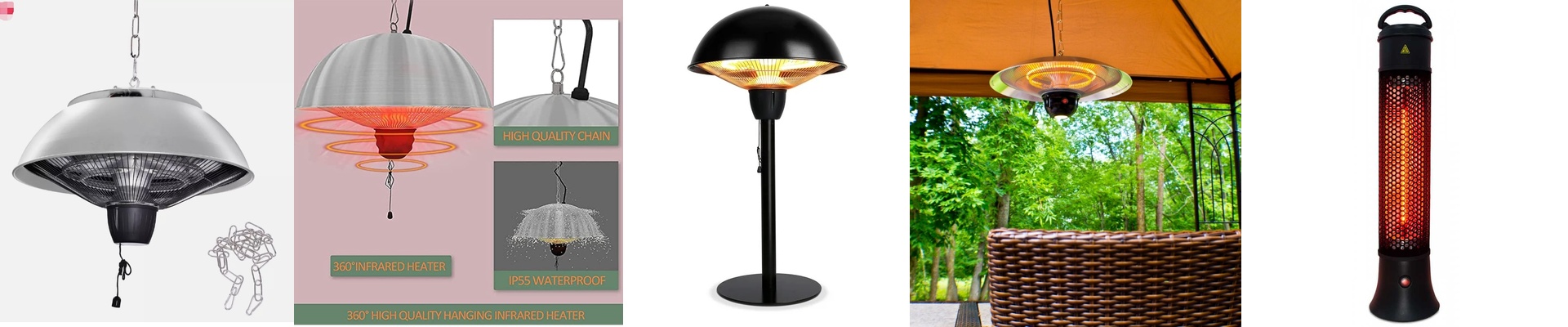
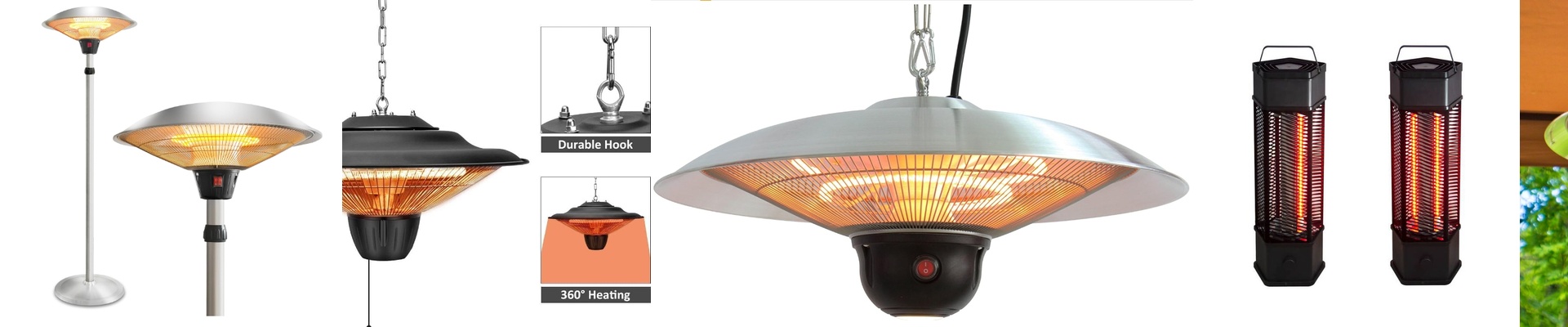
This replacement infrared heater is built specifically for bakery tableware dryers, using a medium-wave quartz element. It delivers focused radiant heat straight onto surfaces, not into the air. That translates to snappy response and tighter temperature stability inside the drying chamber. It’s spec’d for commercial duty: available in 240V or 380V, with a compact length and diameter that drop into standard dryer cavities. The terminal block or plug connection keeps wiring straightforward. The element comes up to temperature in seconds, so recovery after loading is immediate, and output stays steady cycle after cycle.
Why this approach fits a bakery tableware dryer
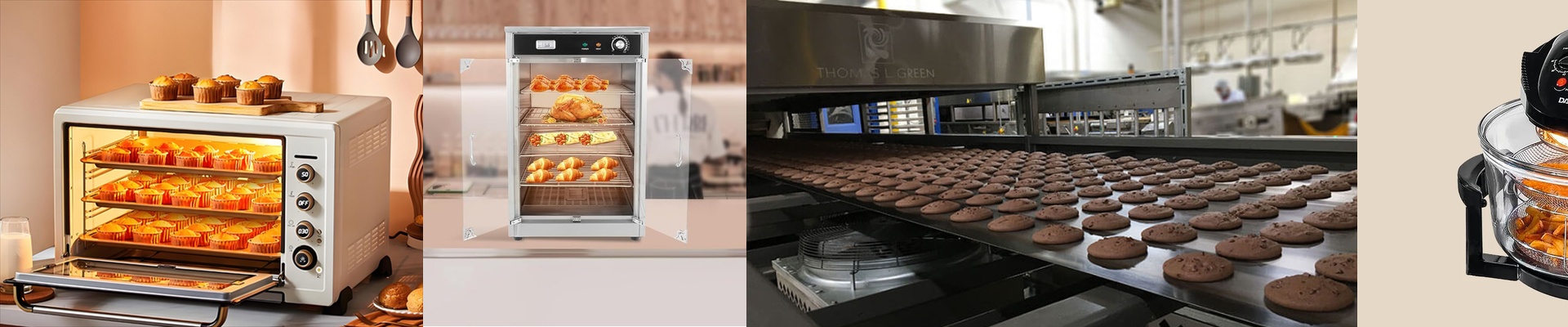
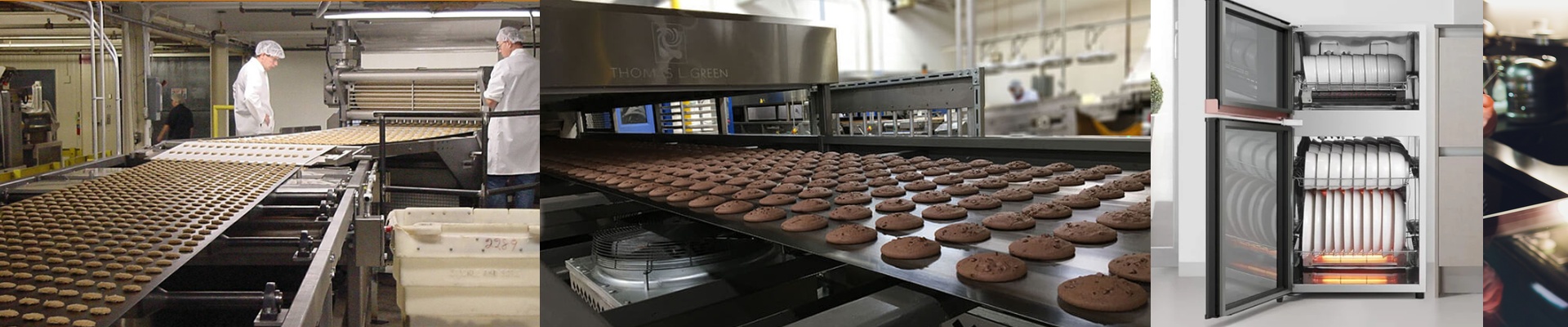
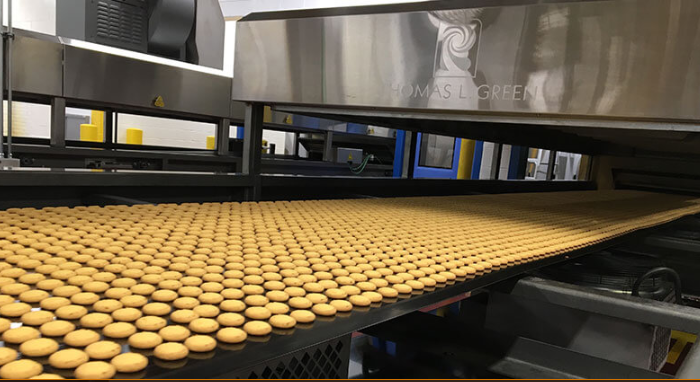
In a bakery tableware dryer, the name of the game is fast, even drying without scorching glazes or warping melamine. Radiant heat dries from the outside in, keeping material integrity intact while pushing moisture out quickly. With this heater, you get back the rapid heat-up the dryer was designed for, and you cut idle time between batches. Energy use per cycle drops because the unit isn’t running wide open just to make up for weak output. Results get more consistent, too—plates, trays, and utensils come out evenly dry and ready for service.
The practical details
Installation is straightforward, but match the mounting dimensions, voltage, and terminal type exactly. Double-check clearance around the element so it won’t contact racks or interior walls. Keep the heater clean—grease and dust buildup on the reflector and element will drop output and invite hot spots. Plan the swap during a scheduled lull, and keep a spare on the shelf. That way, you minimize unplanned downtime when the element finally calls it quits.