


Quiet in the bedroom is hard to come by. A heater that clicks, whirs, or slams on with a jolt doesn’t just make noise—it yanks you out of sleep, over and over. You want warmth that shows up without a soundtrack.
What matters, under the hood
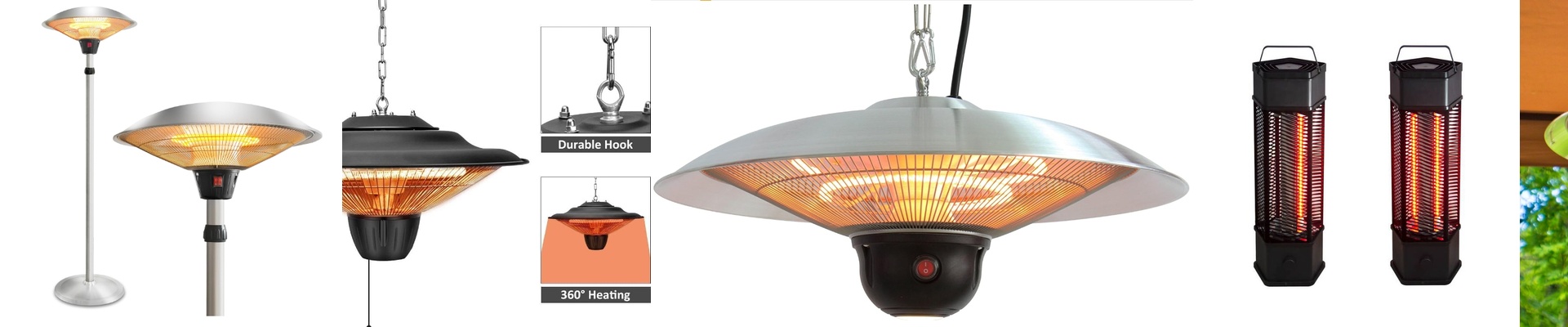
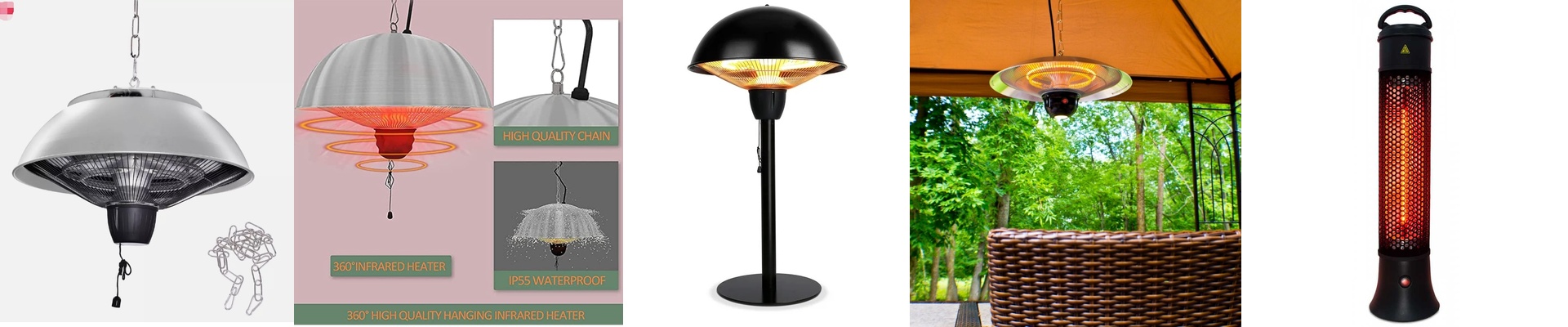
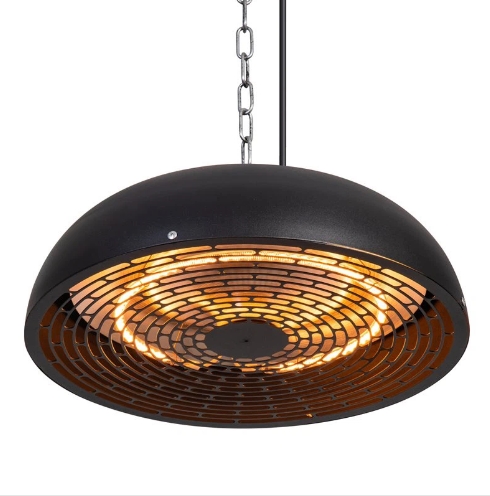
We lean on radiant infrared heat, delivered through a sealed quartz element. No fan means no spinning, so the unit runs practically silent—just heat, no moving air. It’s built to run on 120V, so it plugs into a standard outlet, and the footprint is small enough to sit on the floor or a nightstand without crowding. Infrared warmth hits people and surfaces directly, so you feel comfort fast, instead of waiting for the whole room’s air to warm up. A built-in thermostat holds the temperature steady, and tip-over protection cuts power if the heater gets knocked over.
Why this works in a bedroom
The real payoff is how the heat behaves while you sleep. Infrared lets you stay cozy at lower air temperatures, so you can run the room cooler and still feel comfortable. That usually means steadier breathing, fewer interruptions, and a calmer night. The element is sealed, and the housing stays low at the surface, so the heater feels predictable and gentle. And with no fan, you’re not cycling dust or drafts through the room—just quiet, even comfort.
The practical details
This is a radiant heater, not a fan-forced unit, so it warms people and nearby surfaces first. For the best feel, place it where you actually spend time—within a few feet of the bed—and don’t block the radiant path with big furniture. Like any electric heater, plug it into a dedicated circuit so you don’t trip breakers when it starts up. Keep it away from water, and don’t use it in high-humidity rooms like bathrooms. If you want warmth that respects quiet, this is the kind of heat that lets the room—and you—settle in.