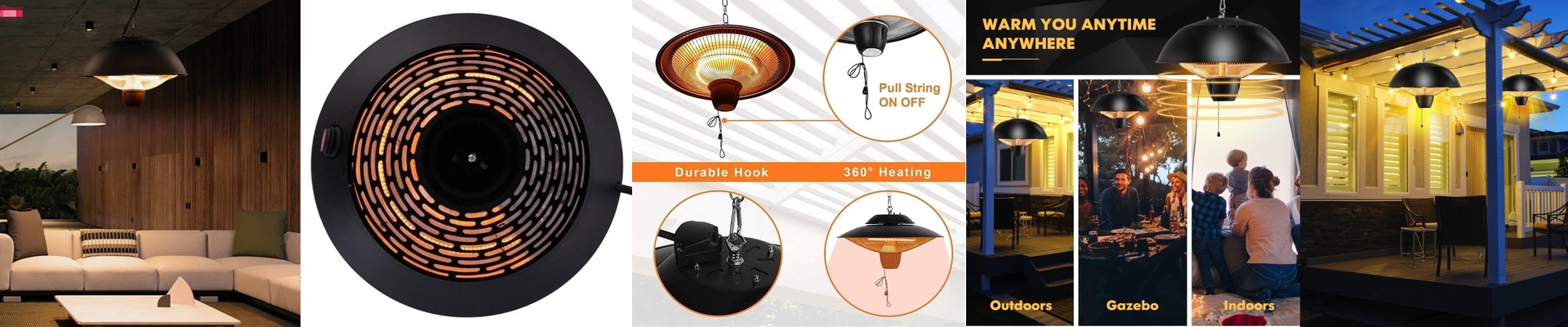
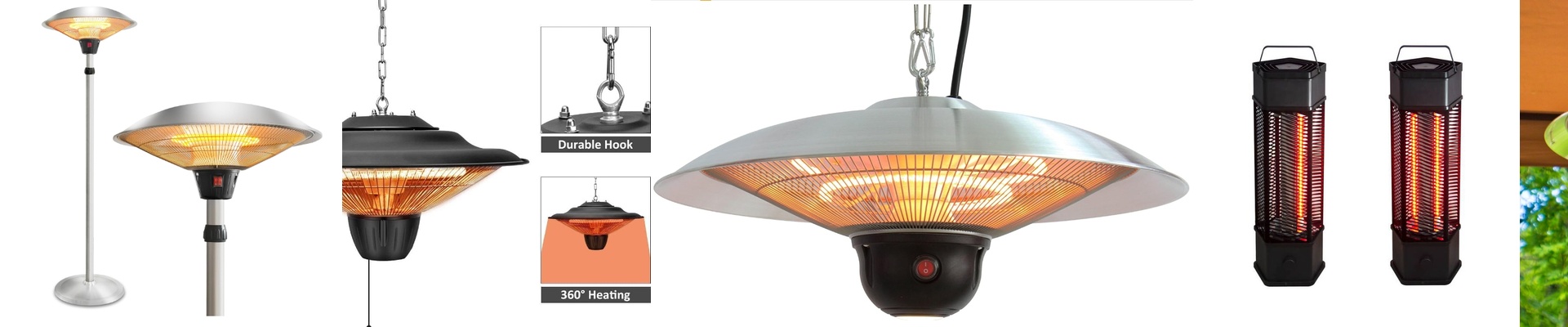
Winter hits, and the evening chill moves in fast—faster than the sun drops. With infrared, you’re not just chasing a higher number on the thermostat. You’re getting comfort back, and a calm room. Especially for families, warmth that feels good matters as much as the heat itself. When the heater is doing its job, the space feels livable. When it isn’t, the cold just… settles in.
What matters under the hood
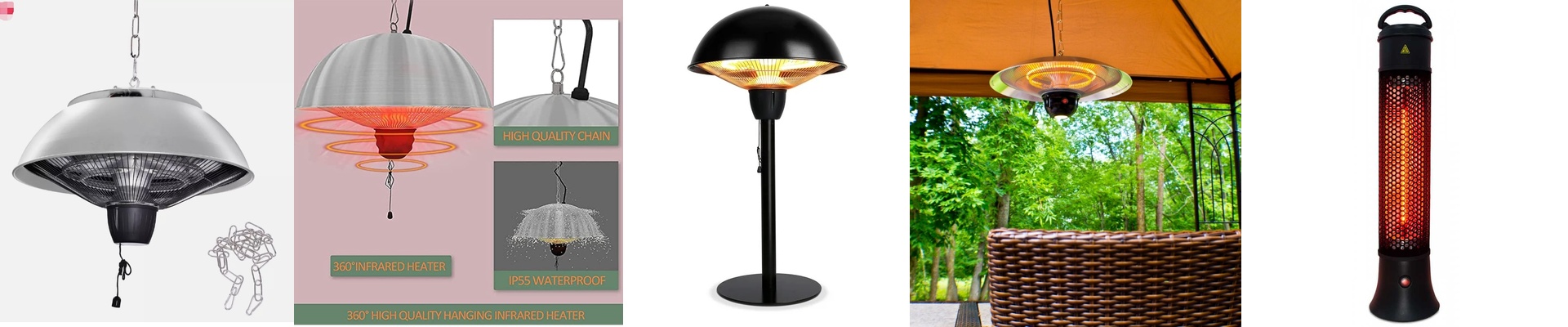
We built this infrared electric heater around a carbon fiber element. It puts out steady radiant heat, warming people and objects directly instead of churning air. On the safety side, it’s backed by overheat protection: an internal thermal cutoff plus a tip-over switch that cuts power the moment the unit tips or runs too hot. Add a thermostat, and you get steadier comfort instead of those annoying temperature swings. In practice, that translates to a consistent feel, quiet running, and fewer sudden shut-downs.
Where this approach shines
In living rooms, covered patios, and those corners that are always drafty, infrared heat just feels more natural. It warms the spot where you actually sit, so you don’t have to overheat the whole area. For families, that means fewer interruptions when it’s cold, and a gentler warmth that can help with circulation and muscle relaxation. The overheat protection also adds a layer of confidence—especially in homes with pets, kids, or when the heater runs long overnight. It becomes part of the room, not something you’re constantly checking on.
The practical details you need
Infrared heat is directional, so placement matters. Point the heater to cover your main seating area, and keep it at least three feet from combustibles. It runs on standard household power, but if you’re running it for long stretches, it should be on a dedicated outlet. Warmth builds quickly, and performance will drop if the heater is used outdoors without proper shelter from wind and moisture.