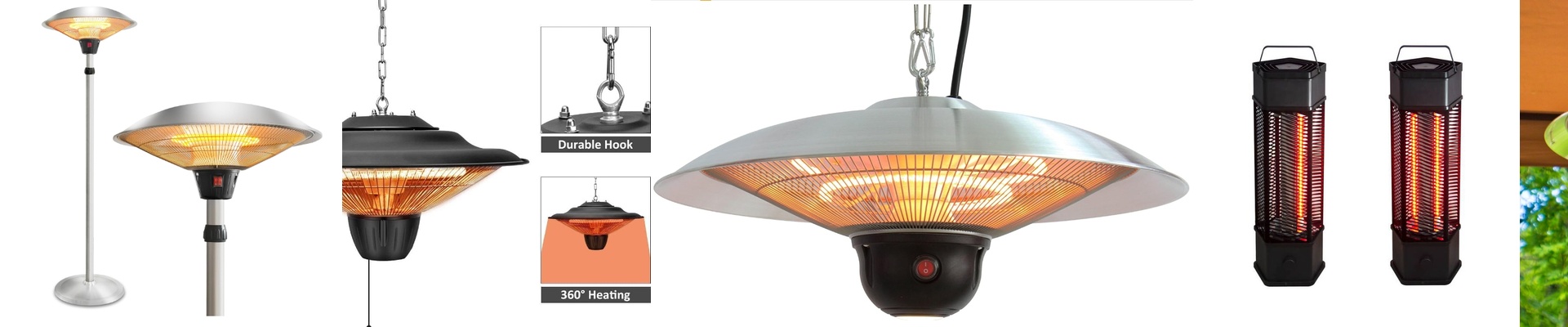


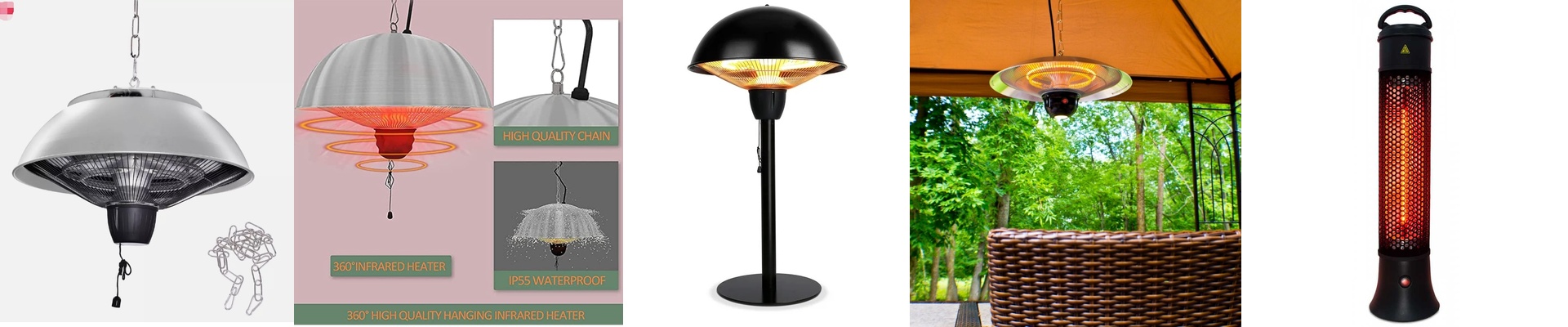

The Truth About Why IP55 Infrared Heaters Actually Die
Here is a little secret from the engineering side: most IP55 infrared heaters don’t fail because the heating element gave up. It’s almost always the lead-wire connection that kills them. Think about where these things live. You’ve got a patio heater fighting a brutal mix of scorching heat and damp air. Most companies just ignore the “thermal expansion gap”—that tiny space where the wire enters the housing—and that’s where the trouble starts.
Why the cheap stuff fails
If you buy a budget heater, you’re probably getting basic rubber grommets. They look fine on day one. But after a few seasons of heating up and cooling down, that rubber dries out and cracks. Once that seal shrinks, moisture just crawls right in. It hits the terminal points, causes oxidation, and then the heat soak fries the insulation. Boom. Short circuit. It happens all the time with consumer-grade units.
How we actually fix it
We do things a bit differently to stop that cycle. First, we use high-temp silicone or fluoropolymer sleeves. These can take a beating without getting brittle. But we don’t just shove a wire through a hole and hope for the best. We use a compression-fit sealing gland. It creates a mechanical bond that actually moves with the metal housing as it expands and contracts. Then, we pot the lead wires in a high-thermal-conductivity resin. This does two things: it pulls heat away from the connection and blocks water completely. It’s like armor for your wiring.
The catch
There is a trade-off. This kind of sealing makes field repairs a pain. You can’t just pull the wires out to swap a switch or a capacitor. If you want to change something, you’re cutting the seal. It’s a permanent bond. But look, if you want an IP55 rating to actually mean something when things get hot, this is the only way to keep the wires from aging prematurely. If you’re picking equipment for a commercial job, do yourself a favor and check the lead-wire transition. If you see a plastic nut and a rubber ring, it’s going to leak. Look for the potted connections and heat-resistant sleeving instead. Your future self will thank you.