Why Your Oven Keeps Overcooking Your Food
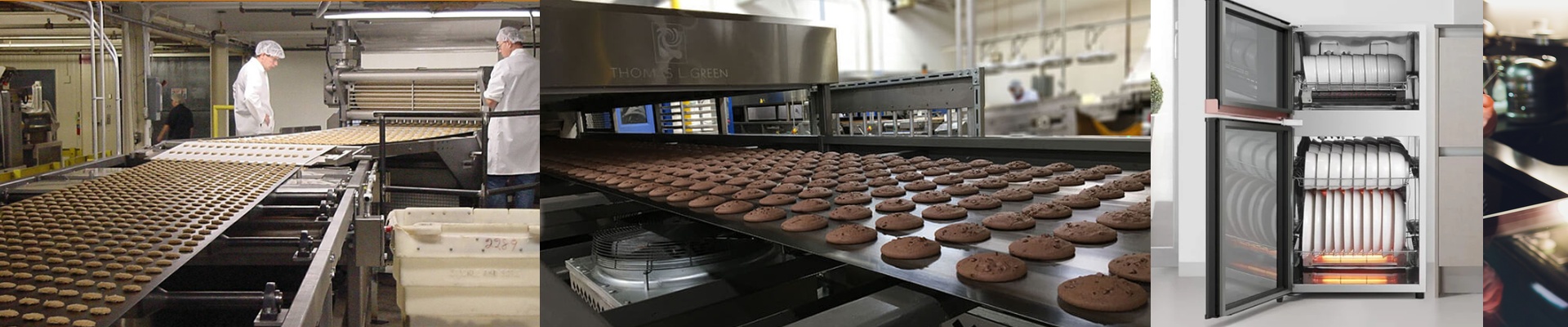
Most people think a great industrial oven is all about how fast it can get hot. But honestly? The real magic is in how fast it can stop. Think about those standard heating elements. They’re like big, heavy stones. Even after you flip the switch off, they keep bleeding heat into the oven for a while. That’s why you end up with burnt edges or a dish that’s overdone—the oven just doesn’t know how to quit on time.
The Secret to Instant Control
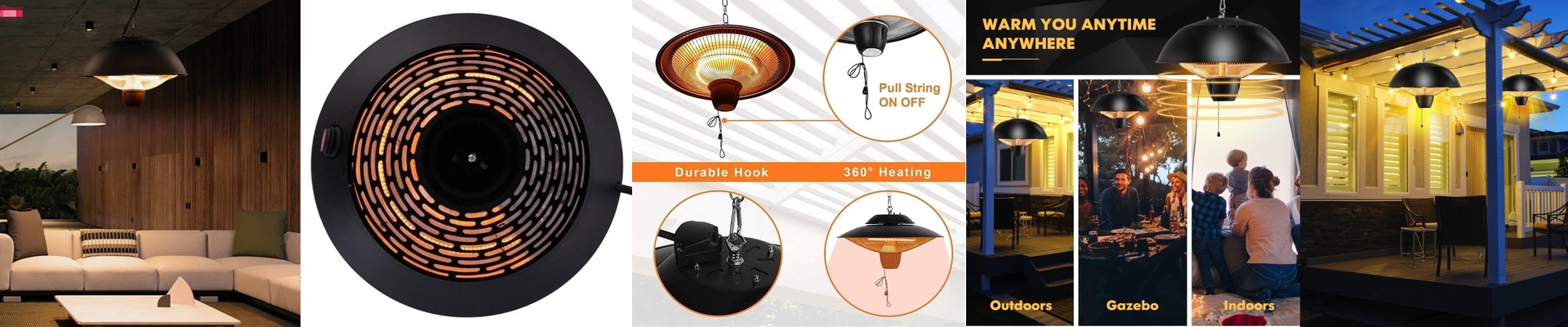
That’s where medium-wave IR lamps come in. Instead of heating the air and hoping for the best, these lamps shoot energy straight into the food. The difference is wild. The filament hits its target temperature in milliseconds. The second your controller cuts the power, the heat stops. Just like that. It lets you keep your temperature within a tiny window—we’re talking ±1°C. You just can’t do that with those old, thick tubular heaters.
Finding the Right Fit
When we design these lamps, it’s a bit of a balancing act. We want the heat to get deep into the food, not just sear the outside while the middle stays frozen. Medium-wave is the sweet spot for that. But you’ve got to get the wattage right for your oven’s size. Sure, cranking up the wattage gets you to temperature faster, but it puts a lot more stress on your wiring. Don’t overdo it.
The Catch (And How to Fix It)
Here’s the thing: because these lamps react so fast, they’re sensitive. If your power supply flickers or you’re using a clunky, old-school mechanical timer, you’ll see it immediately in your temperature logs. It’s too fast for cheap parts. To actually make this work, you need fast-acting Solid State Relays (SSRs). And one last tip—don’t skimp on the insulation. This radiant energy is intense. If you don’t shield your chassis properly, you’re going to end up warping your outer casing. Get the insulation right, and you’ve got a beast of a machine.