Why Most Bathroom Heaters Die (And How We Fixed Ours)
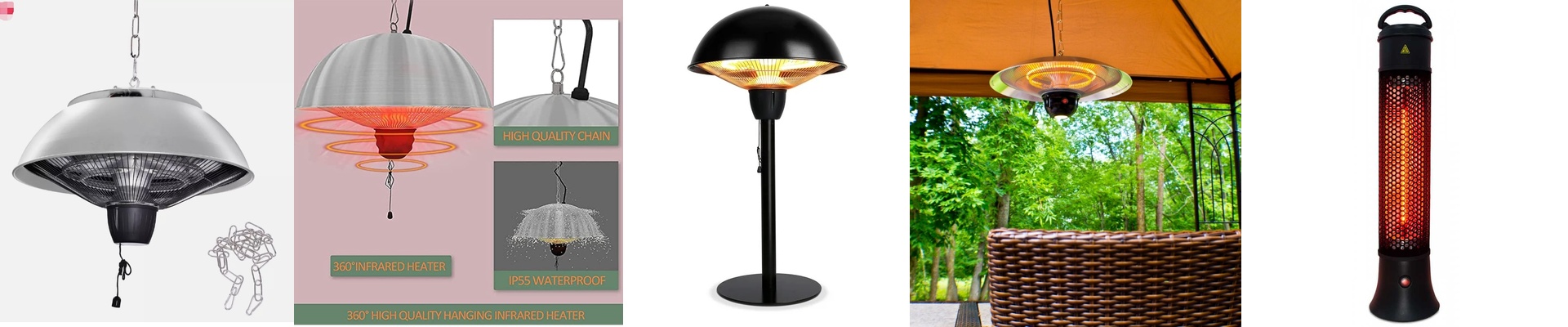
Let’s be honest: bathrooms are a nightmare for electronics. You’ve got thick steam, random splashes, and constant humidity. For a standard infrared lamp, that’s a death sentence. Most of them just oxidize or short out and quit on you way too soon. We wanted to build something that actually survives the shower. To do that, we had to obsess over two things: the seals and the surface. Stopping the leaks We don’t just throw a cover over the electronics and hope for the best. We seal them tight. By using reinforced housing and heavy-duty silicone gaskets, we make sure water stays far away from the live wiring. Because here’s the thing—if water hits the terminals, you get a short. It’s that simple. By keeping the moisture out, we stop the internals from rusting away before their time. The battle against fog You know that foggy layer that builds up on the glass? It’s not just annoying to look at. Those tiny water droplets create “cold spots” on the heating element. When one part of the tube is scorching and another is chilled by a drop of water, the quartz can actually crack. To stop that, we use special glass coatings and smart airflow paths. It keeps the surface clear, so the heat hits you directly instead of bouncing around in a cloud of condensation. The tricky part: Heat vs. Air Here is where it gets a bit complicated. If you seal a box 100% airtight to keep water out, you end up cooking the electronics inside. It’s a tug-of-war. We solved this by balancing those tight seals with dedicated heat sinks. It’s all about finding that sweet spot where the water can’t get in, but the heat can still get out. The result? These units actually last. You don’t have to worry about the heater giving up the ghost the second you turn on the hot water. It just works, which means you aren’t spending your weekend replacing another burnt-out lamp.