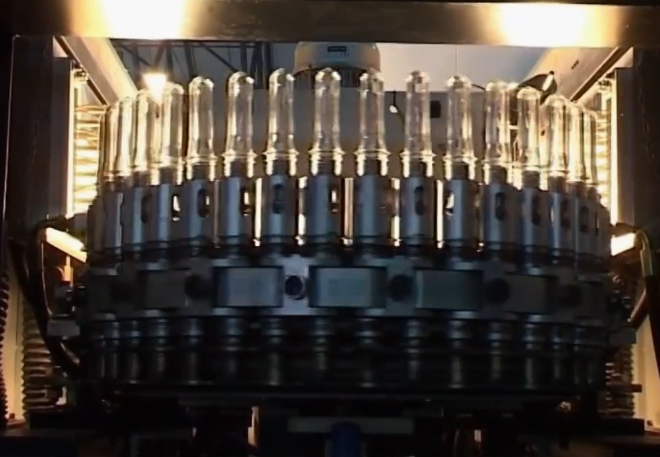
Ever deal with those annoying streaks or thin spots in your PET bottles? If you’re running KHS blow molding machines, you know exactly what I’m talking about. You spend hours tweaking the machine settings, thinking you’ve almost got it, but the pearlescence just won’t go away. Here’s the thing: it’s usually not the machine’s fault. It’s the lamps. Most standard IR lamps have these “cold ends” near the electrodes. It creates a dip in temperature that messes up the heat profile of your preform. We fixed that. We changed how the filament is wound and used a different quartz blend to flatten that curve. By tweaking the wattage-per-millimeter, we make sure the heat hits the tube consistently from end to end. No more guessing. As for the hardware, we keep it simple. These are drop-in replacements. We use high-purity quartz because blow molding ovens are brutal, and we don’t want your lamps burning out every few weeks. Depending on your power supply, we match the voltage and wattage exactly so you get the heat density you actually need. Plus, you don’t have to rewire anything. Whether you use R7s or Sk15 connectors, they just fit. And if your PET resin is being stubborn, we can add thin-film coatings to the quartz. It shifts the IR emission so the plastic absorbs the heat more efficiently. But a quick word of advice. It’s tempting to just crank up the wattage to speed up your cycle times. It works, but there’s a catch. More heat means more stress on your cooling fans. If your airflow can’t keep up, the quartz can actually deform, and your expensive new lamps will die way too soon. Before you jump to a higher-wattage spec, take a look at your oven’s cooling. A quick thermal audit now saves you a massive headache later.