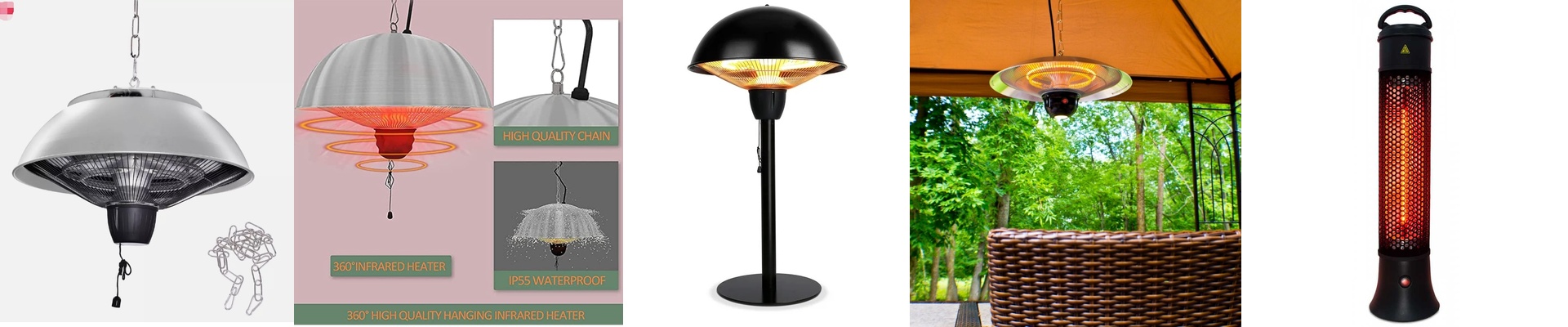
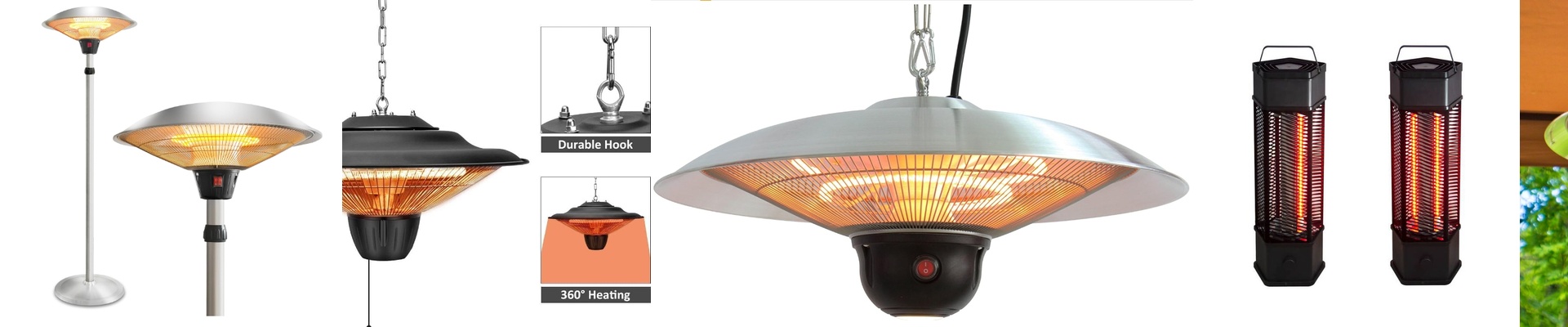

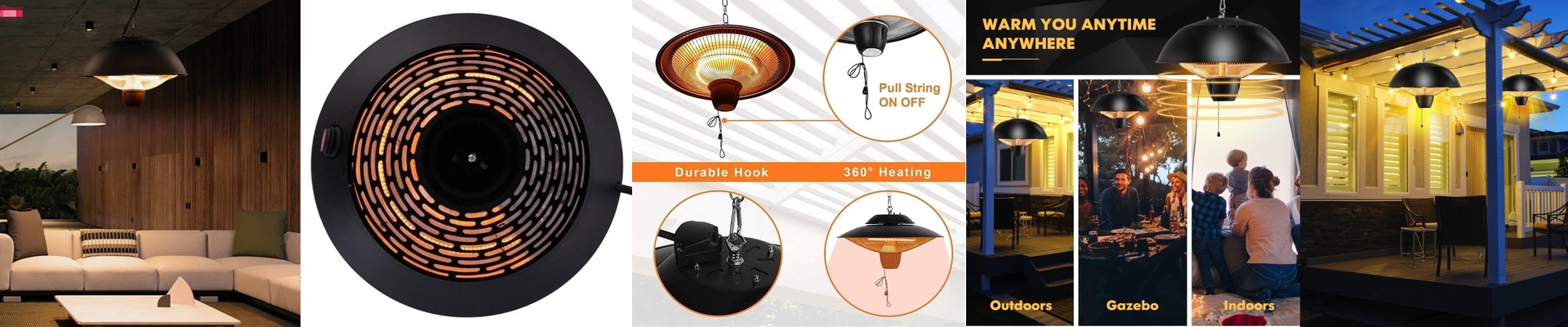

Built to Take a Beating: The Secret Behind Our IP65 Heater
We designed this outdoor garden heater for the real world. The kind of place where the weather doesn’t ask permission—where rain, dust, and wild temperature swings are just part of the day. And the real hero of the story? It’s the lead seal. Most standard seals give up when the heat stays on. They crack, the insulation fails, and you’re looking at a short circuit. We approached it differently. We treated the wire entry point as a core structural part of the heater, not just an afterthought. That industrial-grade sealing tech keeps moisture out and the circuitry safe, no matter how many times you flip the switch.
Warmth, the Smart Way: How the Heat Actually Works
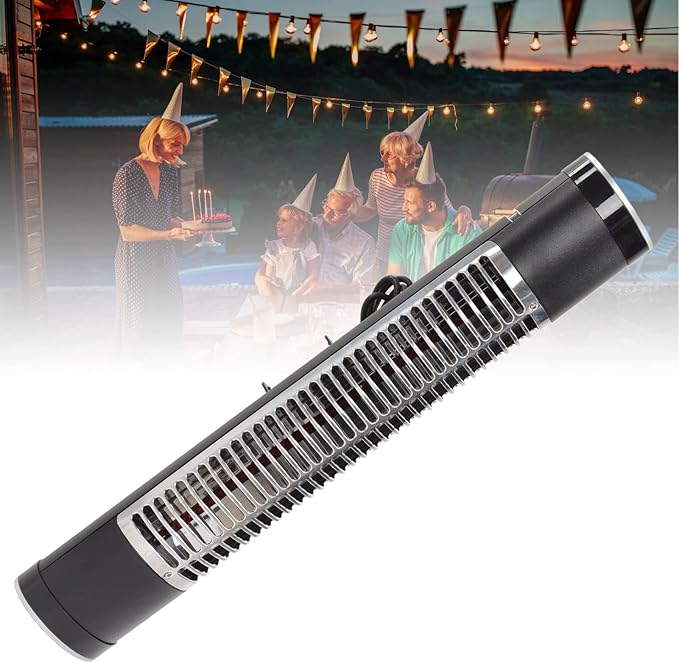
Infrared heat is direct. It warms up people and objects, not the empty air between them. That’s why the wattage and voltage specs matter so much. The heater needs a steady electrical input to deliver that consistent, radiant warmth. The tube is compact, so it focuses the heat into a tight spot. Perfect for mounting in tight areas without losing coverage. You feel the warmth almost instantly, which is a lifesaver outdoors where the wind just steals heat from the air.
Straightforward Install. Just Be Smart About It.
Out in the field, you need something that installs quickly and just keeps working. The sealed lead connection makes that happen. No extra gaskets. No complicated steps. You get a tough, weatherproof joint that handles the constant heating and cooling without a fuss. But here’s the trade-off to keep in mind: that high heat density means the housing itself runs hot. So plan your mounting clearance. Make sure the materials around it can handle sustained heat. This isn’t a plug-and-play gadget. It’s a serious component, designed to be part of a well-thought-out system.
Why Our Lead Seal Stops High-Heat Failures Before They Start
The quiet killer of outdoor heaters is long-term aging from high heat. Cheap lead seals get brittle and crack. Once moisture gets in, it exposes the live wires, and that’s how failures happen. We use contract manufacturing-level process control to stop that cold. That means we’re picky about materials and we stress-test the wire entry point. We use high-temperature insulation and reinforce the seal to handle the constant push and pull of thermal expansion. The result? We cut off the usual failure path—insulation degradation followed by shorts. For you, that means fewer breakdowns, fewer service calls, and performance you can count on, season after season.
Where It Shines: Real-World Applications
This heater is the solution when open flames are out of the question and electric convection heaters just can’t keep up. Think patios, workshops, semi-enclosed outdoor spots. You get targeted warmth that turns on the moment you need it. The IP65 rating and the hardened lead seal make it ideal for permanent installations, especially in places where getting to it for maintenance is a hassle. The bottom line is simple: you get a heater that shrugs off harsh conditions, stays electrically isolated, and delivers the same output every single time. Just pair it with proper overcurrent protection, double-check your mounting materials, and you’ve got a heating solution built to meet industrial reliability standards.
Quick Look at the Specs
- **Protection Rating:**IP65. It’s sealed tight against dust and water jets.
- **Heat Type:**Infrared. Warms objects directly, not the air.
- **Lead Seal:**Industrial-grade, built to withstand high temperatures.
- **Installation:**Designed for permanent, fixed wiring.
- **Core Focus:**Keeping everything electrically isolated, even when it’s hot.
The Real Secret to Reliability
Reliability is about protecting the weak spots. For outdoor infrared heaters, that weak spot is always the lead seal, where heat and moisture meet. We just hardened that point to an industrial standard. The payoff is a heater that keeps working in the rain, laughs off dust, and avoids the high-temperature aging that causes shorts.
A Practical Note for the Builders
When you’re working with this IP65 outdoor garden heater, treat it like what it is: a component in a larger system. Check your voltage stability, plan for thermal clearance, and use the sealed lead exactly as intended—no field modifications. Do that, and you’ll get predictable warmth with the kind of electrical safety you can trust.