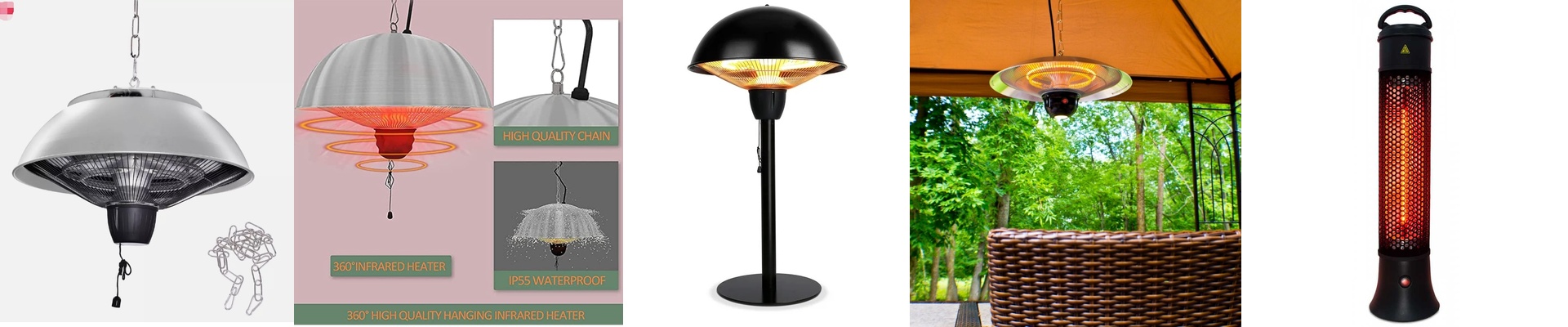


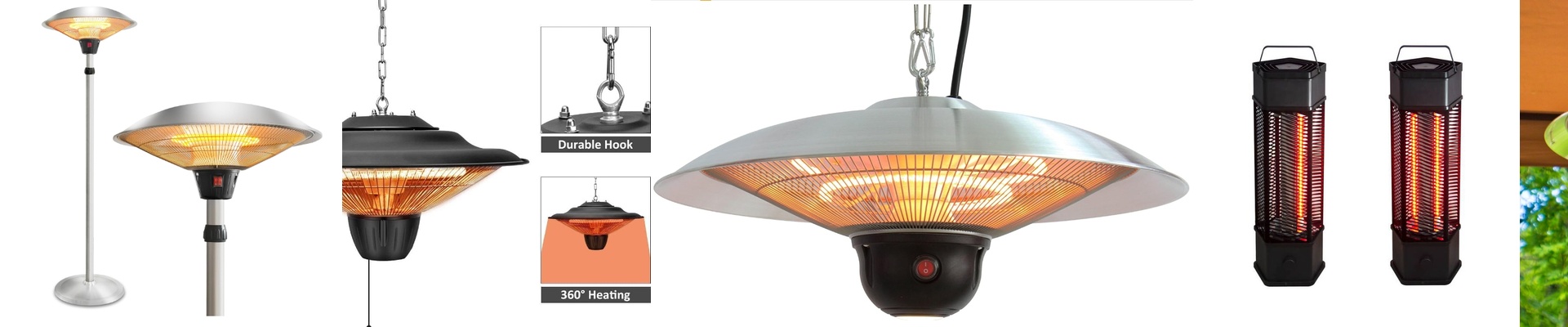

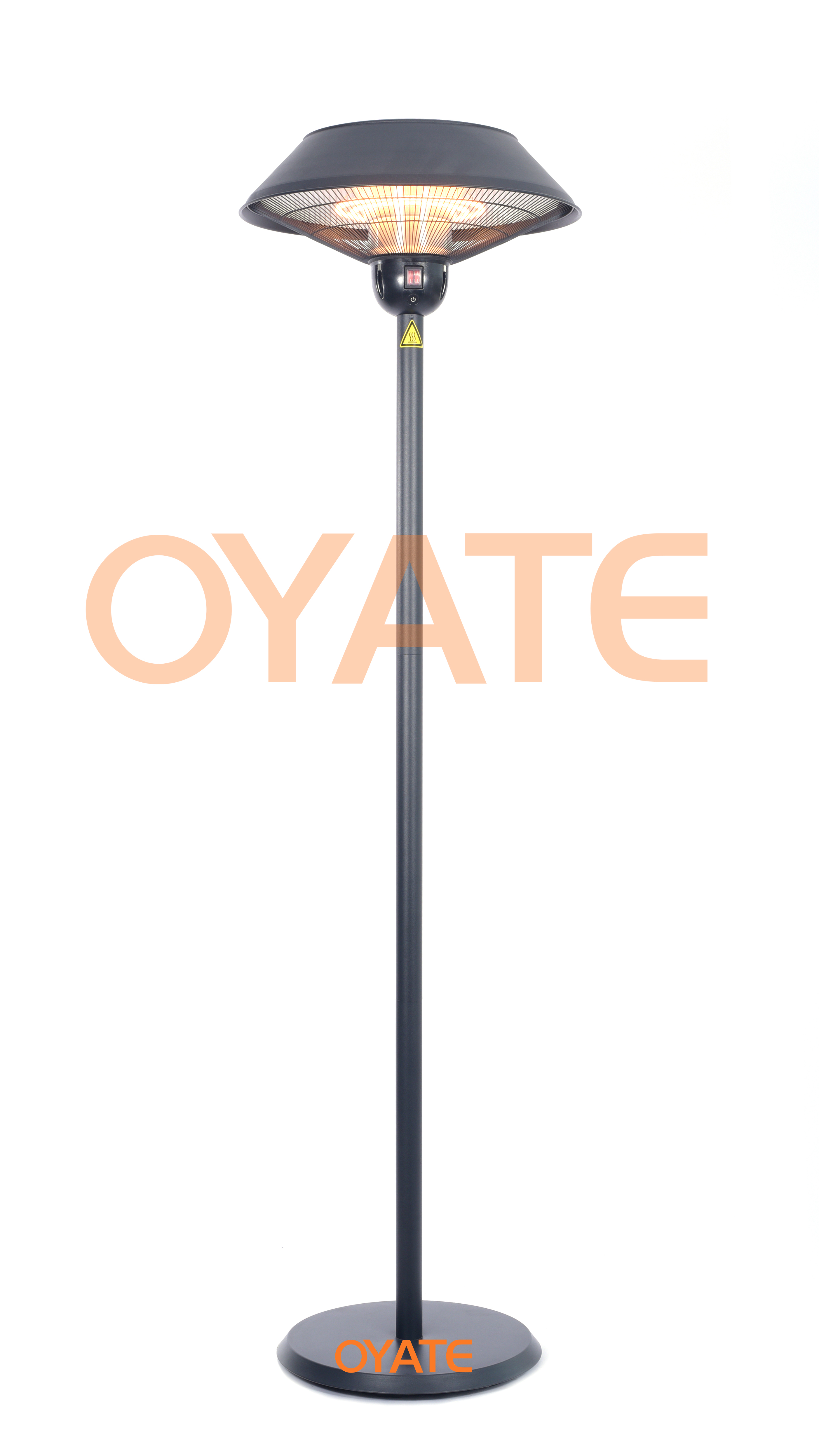
If you’ve waited on an electric oil-filled radiator to finally get a room moving, you know the drill: the slow climb to comfort, the meter ticking away, the air feeling thick before it ever gets cozy. Now flip the script on a winter evening—warmth that shows up fast, aimed right where you need it, and energy use that doesn’t feel like a fight. That’s what you get with a modern WiFi space heater built around infrared.
What actually matters under the hood
Infrared space heaters deliver radiant heat. They warm people and objects directly, instead of dumping energy into the whole volume of air. In practice, that means comfort hits faster—often within seconds—because the heat is focused and directional. Many units lean on an efficient carbon fiber element or a quartz tube to put out clean infrared warmth, then pair that with a thermostat and a smart control interface. Set it once, and the heater holds the comfort without constant cycling.
Why this approach works in real spaces
Compared with a traditional electric oil-filled radiator, an infrared heater can get you to that “feels right” temperature with less wasted heat. You’re not spending energy to warm air that immediately slips out through drafts, ceilings, and vents. People often see meaningful savings on winter energy bills, especially in rooms you use part of the time—living room, study, or a covered patio. Throw in WiFi control and you can run the heater only when you need it, tweak settings remotely, and schedule comfort around your routine. No paying to keep an empty room warm.
The details that make it work
Infrared heat feels best when it has a clear line of sight to you, so placement matters more than it does with convection heaters. These units are usually quiet and compact, but they’re designed for supplemental heating, not as a whole-home replacement in serious cold. For safe operation, look for tip-over protection and a stable base. Keep the heater away from furnishings and moisture, especially if you’re using it outdoors.