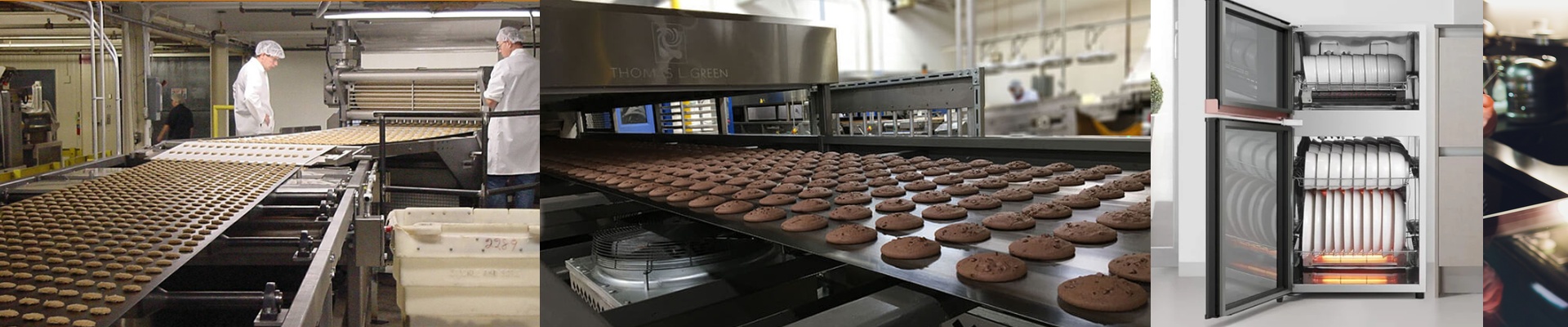
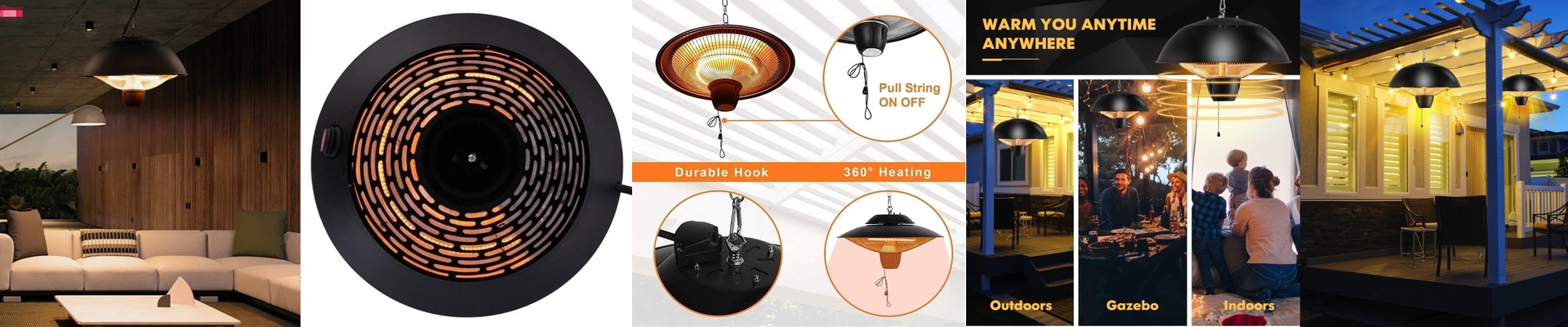
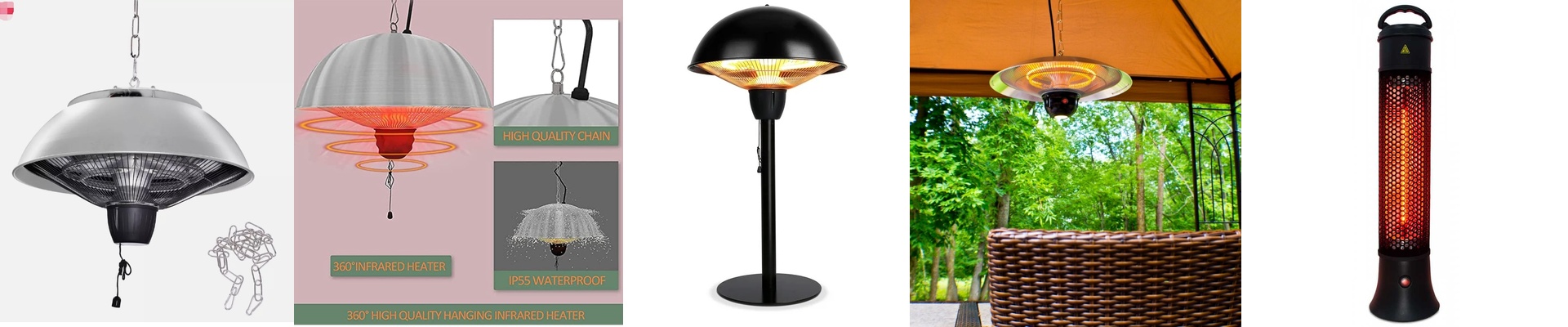
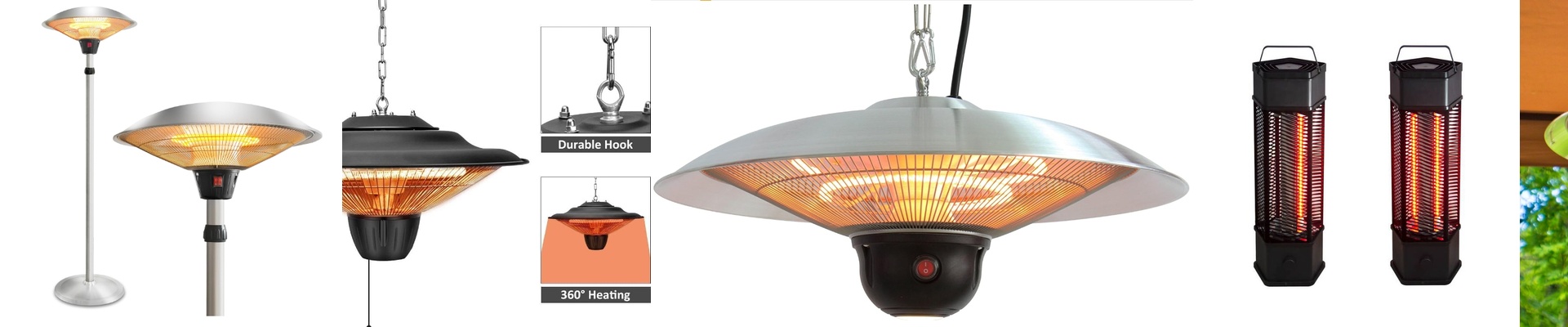
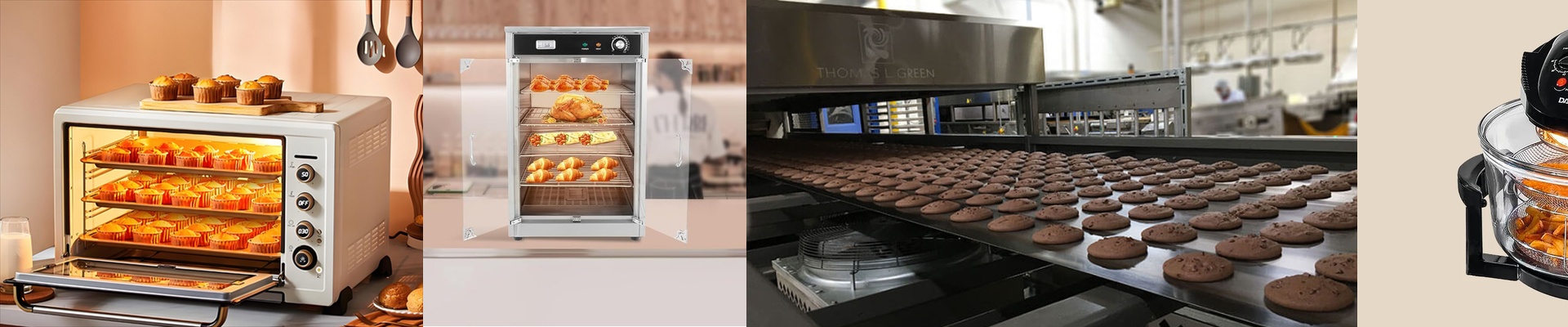
When the line is live, the oven doesn’t negotiate. You need heat that hits fast, settles in, and holds steady through a full shift. Weak recovery stretches bake times, flattens crusts, and turns your menu into a constant chase for hot spots.
What matters under the hood
We built the baking ceramic heater around a dense ceramic core that couples straight to the baking chamber. That gives you quick thermal response and even heat spread. It comes up to setpoint fast, then holds temperature in a tight band, so the deck or hearth stays predictable bake after bake. The element profile is matched to the oven geometry—deck ovens, rotary ovens, and convection ovens—so heat distributes evenly instead of pooling in one corner. For fryer duty, the same ceramic platform recovers quickly after you drop in cold oil, keeping ticket times honest.
What you see on the line
In a busy kitchen, the payoff shows up on the plate. Breads and pizzas come out with a consistent golden finish and controlled caramelization, while the interior stays tender and well-aerated. On fryer service, fast recovery keeps oil temperature stable, so food cooks evenly—crisp outside, moist inside—without guesswork. You get shorter preheats, tighter bake windows, and fewer temperature swings during the rush. Over time, that means fewer underdone or overdone sheets, less rework, and lower energy use per cycle.
Installation and real-world details
Installation is straightforward, but clearances matter. Match the mounting dimensions and terminal type to your oven or fryer, and make sure there’s enough room around the element so pans and racks won’t make contact. Ceramic heaters run hot, so proper insulation and airflow are a must to protect nearby components and keep operating temperatures safe. Confirm voltage and phase before ordering, and plan the replacement around a scheduled downtime window.