The Case for Heat That Shows Up on Time
Here’s the reality in a busy food display: you slide a fresh tray in, and the clock starts ticking. If the heat doesn’t hit the target temperature fast enough, you miss the window—and the product quality slips right along with it. That’s exactly why we built our infrared heating elements. They respond in seconds, not minutes. So your display keeps up with the pace of service, instead of forcing you to wait through a long, frustrating warm-up.
Power, Voltage, and Size—Without the Overkill
We spec these elements for 400V operation, which pushes high current through a compact quartz tube. The payoff? Intense, focused infrared output packed into a small footprint—perfect when your display case space is tight. A 300mm tube keeps the heat where it matters: right over the product, not wasted on empty space. You get high watt density without having to over-engineer the whole machine. But there’s a trade-off: that kind of heat density means the cabinet and cooling path need to be designed for the extra ambient load. If the enclosure is too small, the control system will end up chasing stable temperature instead of holding it.
The Inside Story: Halogen, Quartz, and a Connector That Just Works
The core is a halogen-filled quartz envelope. The halogen chemistry helps keep the filament temperature steady, which means the lamp lasts longer—especially when you’re starting and stopping a lot. And quartz handles thermal shock well, so rapid on/off cycles don’t wreck it. Then there’s the R7s connector—solid, bi-pin, and proven. It seats quickly and stays put even when things vibrate. Swapping one out is straightforward: no custom mounting hardware, no headache. Wire it up and get back to work.
What It Feels Like in a Food Display Case
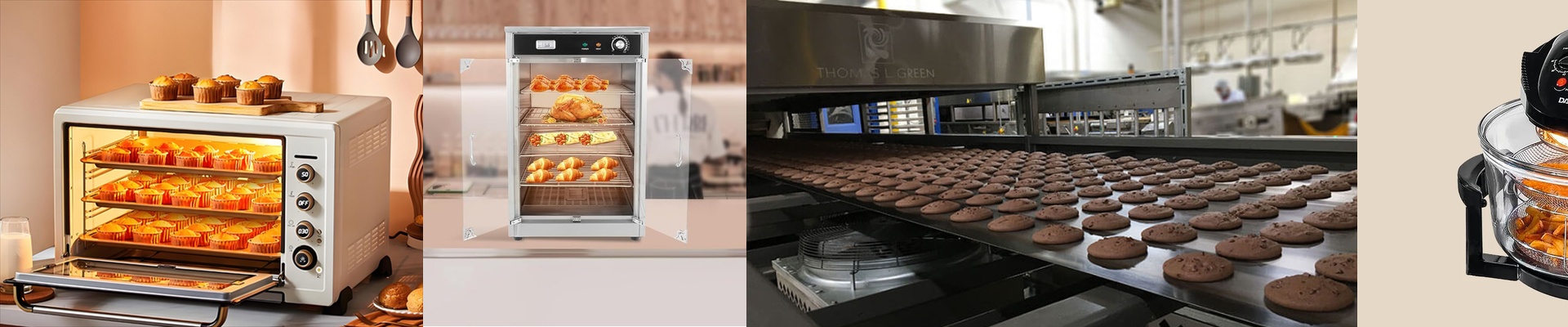
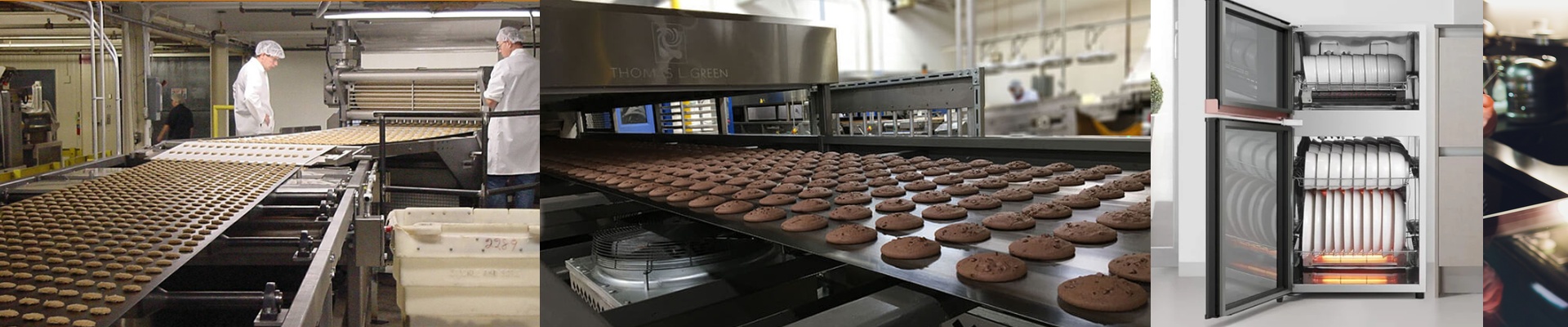
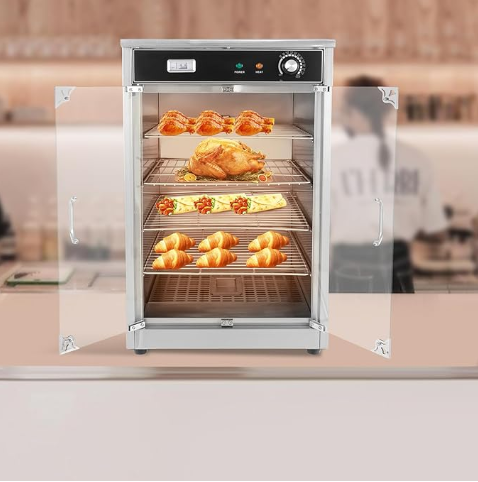
When you’re heating food on display, the real goal is simple: keep product temperature steady without drying it out or scorching it. Our infrared elements deliver heat that’s immediate and direct—line-of-sight, right where you need it. That means shorter preheat times, more consistent throughput, and less energy wasted while the system idles. The quick response also makes temperature control tighter, so your setpoints hold steady even during rush periods. For engineers, that translates to a cleaner thermal design, fewer headaches from thermal lag, and a component that’s easy to service and replace in the field.