Why Our Heaters Don’t Burn Out When the Power Acts Up
Here’s the thing about the power coming into your building—it’s rarely steady. It can jump around more than you think. And with most heaters, a small spike isn’t just a flicker. It shoves the filament into a red-hot, destructive zone, and the element dies way before its time. We built our decorative heaters to beat that problem. We put in a dedicated compensation circuit that watches the power coming in and adjusts on the fly. So even when the grid is having a rough day, the filament stays at the right temperature. No panic. No burnout.
How We Keep the Heat Steady
Infrared heat comes straight from the filament temperature. If voltage swings wildly, the temperature chases it. That constant up-and-down is brutal—it stresses the quartz tube and the tungsten filament. So we use a closed-loop system. A sensor keeps an eye on the supply, and a microcontroller instantly recalculates the current needed to hold power steady. The payoff? Consistent heat output across the whole voltage range, and no overheating that shortens the life.
Built to Handle the Heat—Seriously
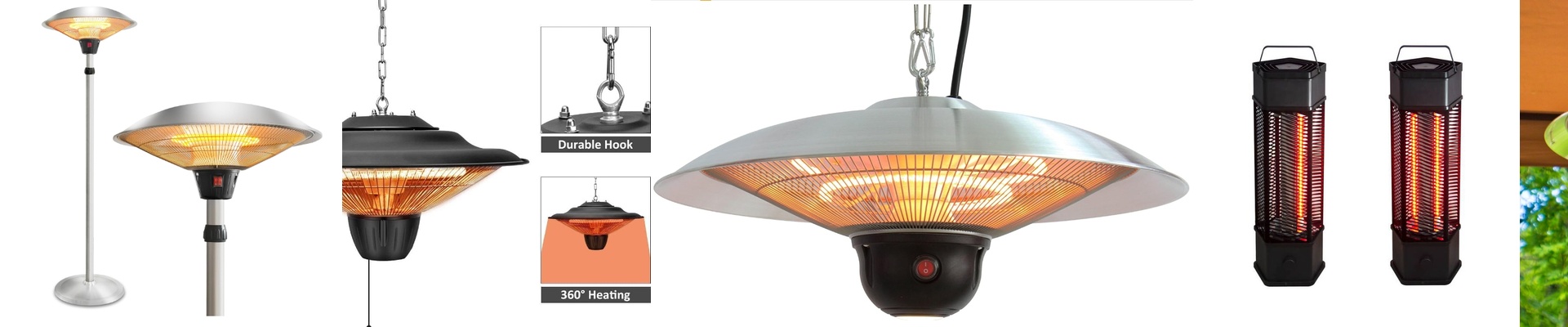
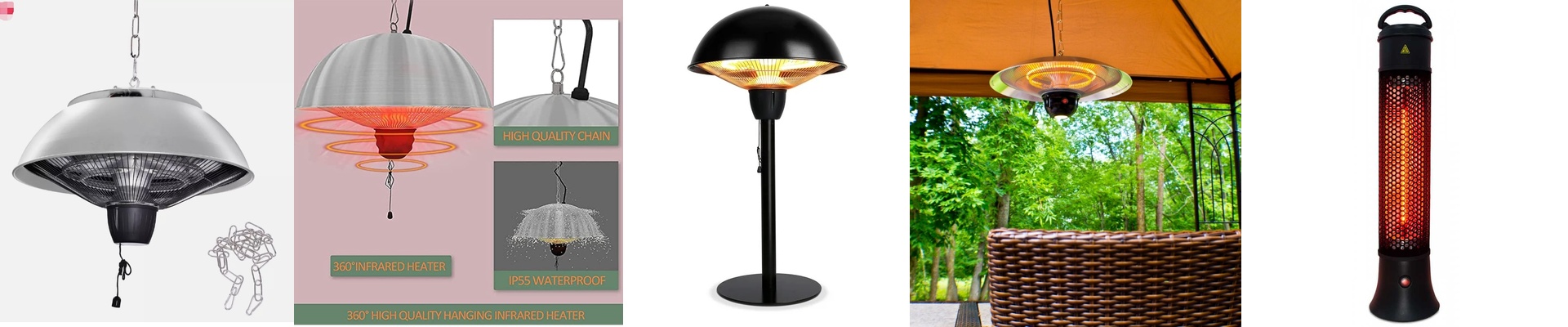
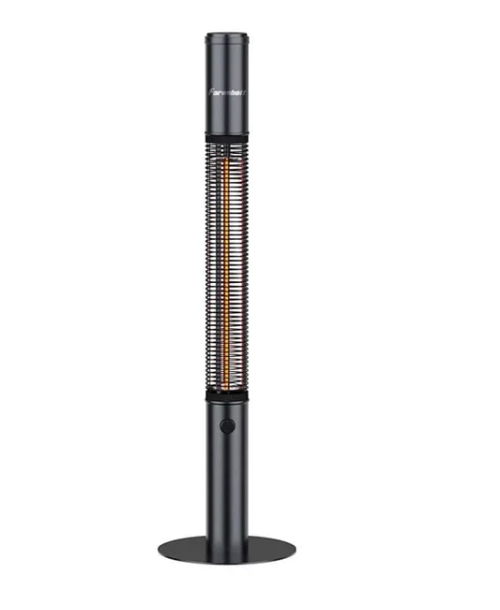
The emitter is a halogen-filled quartz tube. The halogen chemistry lets the filament run hotter and brighter without wearing out fast, and it even helps keep the tube clean by putting evaporated tungsten back where it belongs. The design is compact and puts out a lot of heat in a small space, which makes it easy to work into many setups. But that also means you need real thermal management. Plan your heatsink and airflow from the start. This heater packs serious power density.
What This Means When You Use It
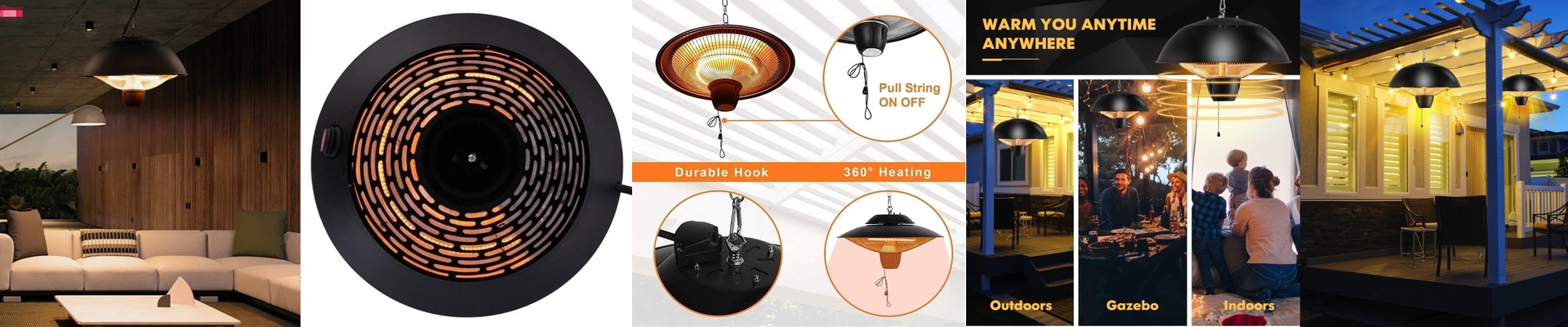
In the real world—whether it’s decorative heating or industrial comfort—voltage stability means you get predictable performance and longer service intervals. You wire it up, you set the output, and the compensation system handles the line noise. You don’t have to babysit it. It’s not about chasing perfect conditions. It’s about doing the job reliably when conditions are far from perfect.
The One Trade-off You Have to Plan For
High heat density comes with a price: your surrounding setup has to shed heat well. If you’re using a 2500W infrared heater, your mounting structure and cooling path need to be designed to match. Otherwise, the unit will run hot—even when the voltage is steady.