


How to actually get thick meat cooked through without burning the outside
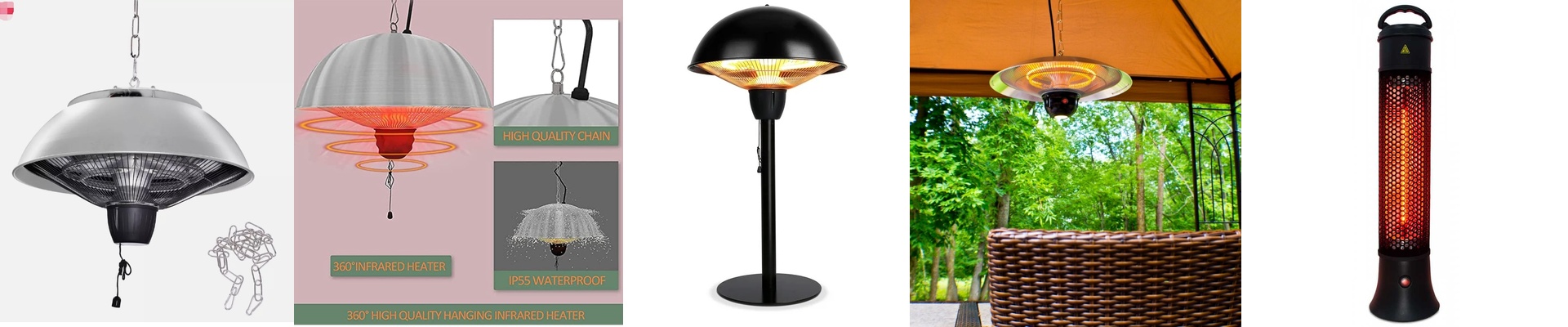
Anyone who’s spent time with a rotary oven knows the struggle. You’ve got a thick cut of meat, and you’re playing a dangerous game: do you leave it in long enough to cook the center, or pull it out before the outside turns into charcoal? We use shortwave infrared (IR) heaters to stop that guessing game. Most ovens rely on hot air, but IR is different. It doesn’t mess around with the air in between; it hits the meat directly and pushes heat deep into the protein. It’s a much more direct way to get the job done. The trick to getting it right You can’t just blast the meat with heat and hope for the best. If you do, you’ll sear the outside instantly. That creates a “wall” that actually blocks the heat from reaching the middle. That’s why we use PID controllers to manage the ramp-up. It’s all about the pulse. By controlling how the heat hits, we let it soak in. Pair that with the rotary movement—which keeps the meat spinning so no single spot gets hammered—and you get a consistent cook from edge to center. The nitty-gritty on the hardware These heaters are built for the chaos of a commercial kitchen. We use high-grade quartz glass because, let’s be honest, the temperature swings in a kitchen are brutal. The glass needs to handle that shock without cracking. But here is a heads-up: high-wattage IR tubes put out a lot of heat. Like, a lot. If you’re upgrading your elements, take a look at your wiring gauges. Make sure your vents are actually doing their job, too. If the air around the heater housing gets stagnant, your lamps are going to burn out way faster than they should. And please, stick to the voltage specs. It’s tempting to over-volt the tube to get a faster sear, but you’re basically trading a few minutes of speed for a dead element in a couple of weeks. Not a fair trade.